
Southern Utah Travel Guide for First-Time Visitors
Southern Utah is one of the most popular destinations in the American Southwest, known for its national parks, scenic drives, and unique landscapes. This covers everything you need to plan, including when to go, where to stay, and how to build a realistic itinerary.


Southern Utah is one of the most popular destinations in the American Southwest, known for its national parks, scenic drives, and dramatic desert landscapes. This travel guide covers everything first-time visitors need to plan a trip to Southern Utah, including when to go, where to stay, and how to build a realistic itinerary.
Planning your first trip to Southern Utah can feel overwhelming fast. On a map, everything looks close together. In reality, distances are longer, logistics matter more than expected, and small planning mistakes can completely change your experience. This region is home to some of the most recognizable landscapes in the country. If you plan it right, this will be one of the best trips you ever take, but if you don’t, it can feel rushed, crowded, and frustrating.
📌 Related Blog Posts To Save For Later
- When NOT to Visit Southern Utah (Brutal Truth From A Local)
- Common Mistakes First-Time Visitors Make in Southern Utah
- Utah National Park Entrance Fees + Reservations
- Best Time to Visit Southern Utah (Month-by-Month Guide)
Where Is Southern Utah? (Beyond the obvious lol)
When people talk about Southern Utah, they’re usually referring to a cluster of parks and desert towns in the southern part of the state, often combined with northern Arizona. I consider anything “Southern Utah” if it lies below I-70 and above the Arizona border. Most first-time itineraries for Southern Utah include:
- Zion National Park
- Bryce Canyon National Park
- Capitol Reef National Park
- Arches National Park
- Canyonlands National Park
- Kanab
- Page
- Hanksille
But here’s the reality: just because you can include all of these doesn’t mean you should, especially if you have fewer than 7 days.For a first trip, focusing on Zion, Bryce Canyon, and Kanab/Page gives you a much better experience than trying to check every park off a list if you’re short on time. To really see all of Utah’s National Parks, you minimally need 7 days to really be able to do this right.
How Many Days Do You Actually Need?
This is one of the most common planning mistakes.On paper, it seems like you can hit multiple parks quickly. In reality, you’re dealing with:
- long drive times between parks
- entrance lines can be VERY long and take upwards of 30 minutes (sometimes longer if you arrive during prime time)
- shuttle systems for Zion and Bryce
- limited parking in the busy hours
- and seasonal heat that slows everything down OR limited daylight when the temperatures are more pleasant.
A rushed itinerary usually looks like driving all day, stopping briefly, and leaving feeling like you didn’t actually experience anythingA realistic timeline:
- 5 days → tight but doable for a smaller area (Zion + Bryce + Page or Kanab) OR (Moab area alone + Hanksville).
- 7 days → ideal for a first trip, BUT honestly this might be too fast for a lot of people if you plan to see all 5 of Utah's National Parks. See 7 Day Utah National Parks Itinerary (Las Vegas → Salt Lake City)
- 10+ days → room to slow down and explore each national park and surrounding area a little deeper
If you’re deciding between “adding more stops” or “giving yourself more time,”
always choose more time. I promise you there are SO many things to do and see in any particular area.
Where to Fly Into to Access Southern Utah
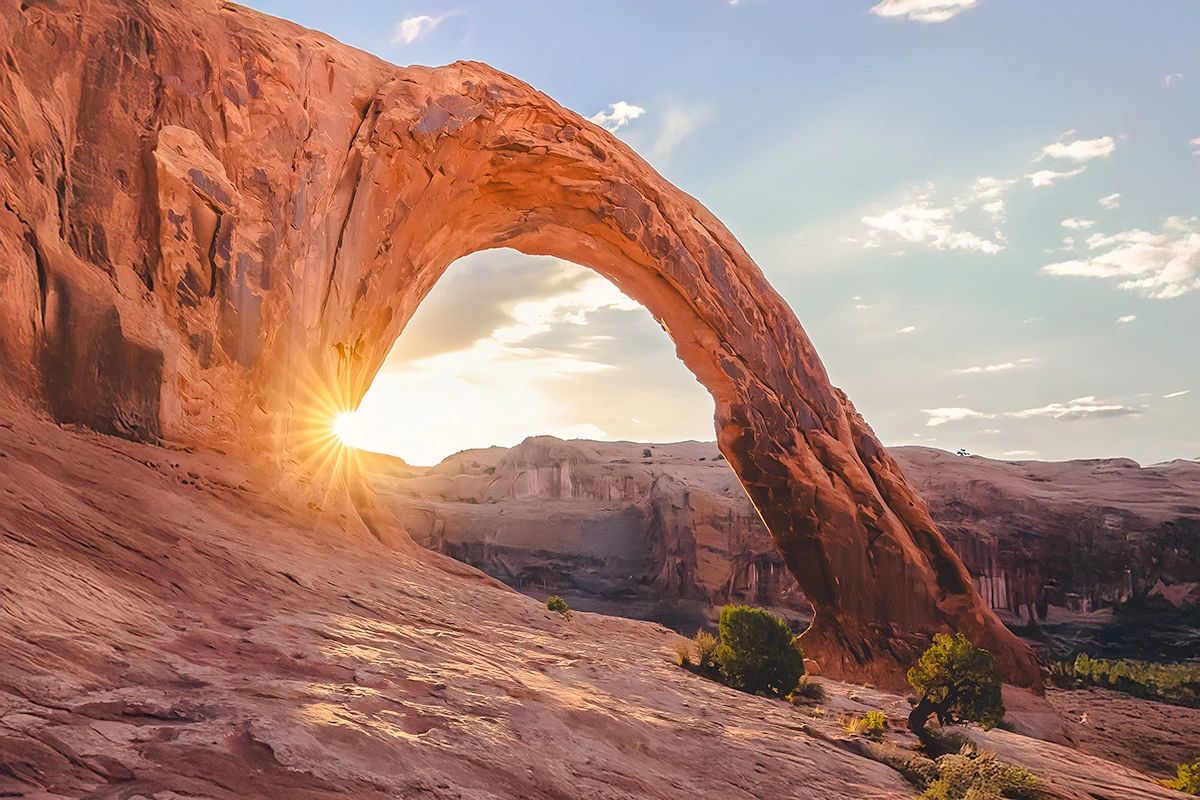
Most trips start in Las Vegas, and there’s a reason for that.It’s about 2.5 hours from Zion National Park, has the best flight availability, and gives you immediate access to your route without a long travel day on the front end. Rental cars are also typically cheaper than smaller regional airports.Salt Lake City is an option, but it adds several hours of driving and makes less sense for a shorter trip. It would be a good option if you only plan to hit Capitol Reef area and Moab. For first-time visitors, Las Vegas is almost always the most efficient (and cheapest) starting point.
How to Structure Your Trip
This is where most itineraries leave visitors overwhelmed with planning before you even get here. People try to fit all of this in 7 days or less:
- all 5 Utah national parks
- plus Page, Kanab, or Hanksville
- plus random stops they saw on social media
And suddenly the trip becomes a loop of constant driving.A much better structure if you have less than 7 days:
- Base near Zion (Springdale area or Hurricane)
- Move toward Bryce Canyon
- End in Page, Arizona or Kanab, Utah
This keeps your route logical, minimizes backtracking, and gives you a mix of landscapes without burning out. Trying to “see everything” usually means you don’t fully experience anything.Another option is to focus on Capitol Reef, Hanksville, and Moab (including both Arches National Park and Canyonlands National Park.) By doing this you’re limiting having to rush to see as much as you possibly can while having long drive days along the way.
Best Time to Visit Southern Utah
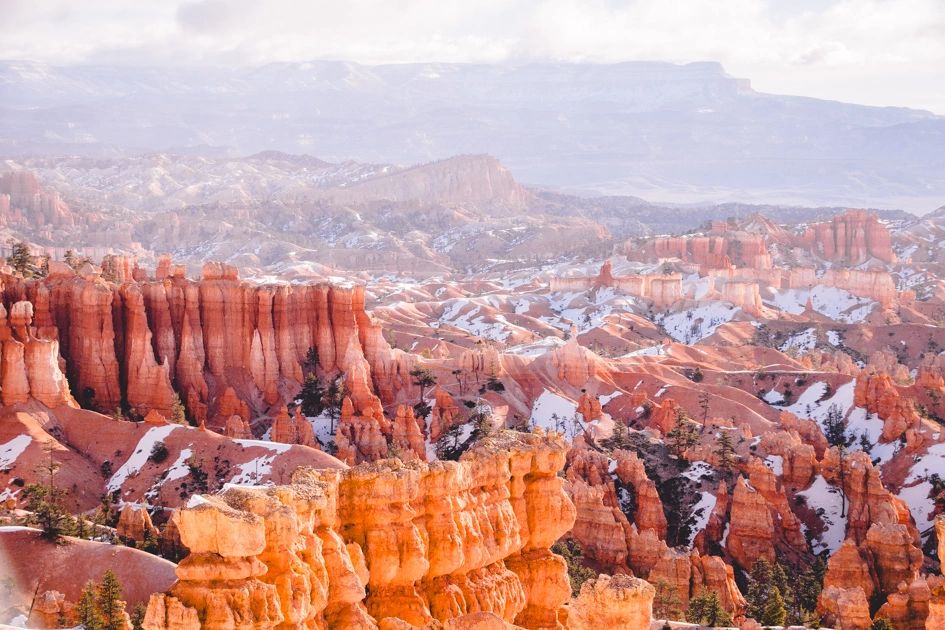
Timing can completely change your experience. See Best Time to Visit Southern Utah (Month-by-Month Guide)
Spring (March–May)Spring is one of the best times to visit. Temperatures are comfortable, desert landscapes are more alive, and conditions are generally ideal for exploring. This is also when water flow in canyons is higher, which can add to the experience.
Summer (June–August)Summer is where expectations and reality tend to clash.Yes, you can visit—but you need to plan differently. Midday heat regularly exceeds 100°F, and popular parks like Zion are extremely crowded. Early mornings and late evenings become essential, not optional.
Fall (September–November)Fall is widely considered the sweet spot. Temperatures cool down, crowds thin out slightly, and conditions are much more forgiving.
Winter (December–February)Winter is the most underrated season. You’ll deal with colder temperatures and occasional snow, especially at Bryce Canyon, but you’ll also experience fewer crowds and a completely different landscape.If you have flexibility, late spring and fall consistently offer the best balance.
Common Mistakes First-Time Visitors Make
Most of these come down to expectations not matching reality so if you read anything, make sure it's this part. See Common Mistakes First-Time Visitors Make in Southern Utah
Trying to see too much: You don’t need every park your first trip. A smaller, well-paced itinerary is always better.
Underestimating distance and time: That “short drive” can easily turn into half your day once you factor in stops, traffic, and park logistics.
Arriving too late: Zion especially requires an early start. Waiting until mid-morning often means dealing with lines, parking issues, and crowds right away.
Not preparing for heat: Southern Utah heat isn’t just uncomfortable—it can limit what you’re able to do if you’re not prepared.
Skipping logistics planning: Things like parking, shuttle systems, permit applications, and entry requirements aren’t small details here—they shape your entire day.
Permits, Reservations & Park Systems
This is one area you don’t want to ignore. See Do You Need Reservations for Utah National Parks? (Full Guide)
While not every part of your trip requires reservations, some experiences do. Systems can change year to year, but here are a few examples:
- Shuttle systems in Zion during peak season
- Permits required for specific hikes like Angel's Landing, The Subway, and Fiery Furnace. See Southern Utah Hikes Requiring Permits (Full List + How to Apply)
- Timed entry system was removed for Arches in 2026
The key takeaway is simple: Don’t assume you can just show up and do everything, especially if your time is limited.
Where to Stay (and Why It Matters)
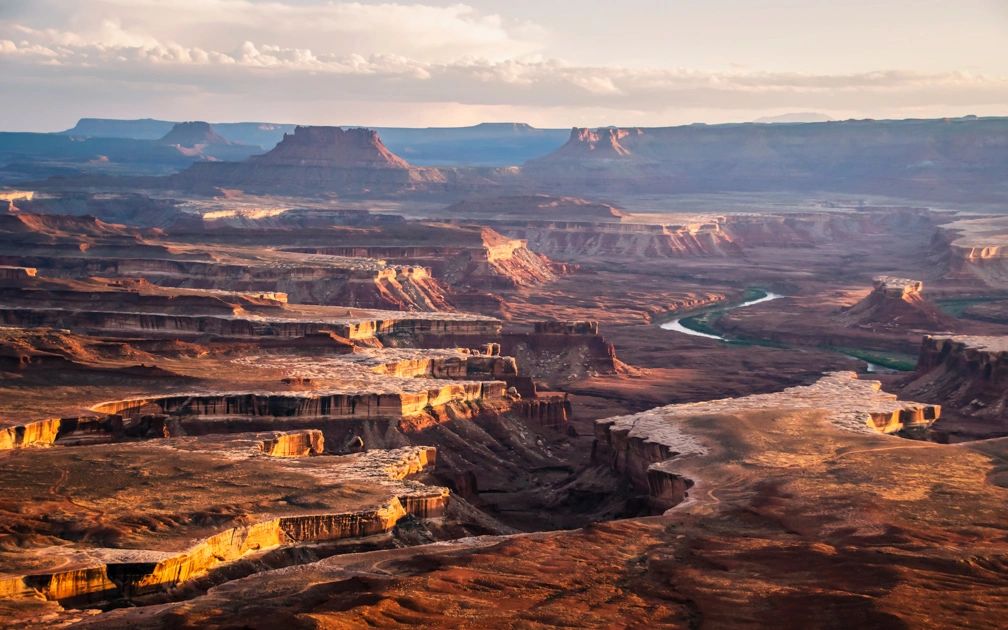
Where you stay will either make your trip easier—or much harder.
Springdale is the most convenient option for Zion, but it’s also the busiest and most expensive.
Kanab is one of the best overall bases if you want flexibility. It sits between multiple areas, making it easier to move around without constantly changing lodging.
Hurricane and LaVerkin are also great alternatives for Zion and usually a bit cheaper than Springdale and only 30 minutes away.
Page works well for the Arizona side of your trip, especially if you’re planning to visit places like Horseshoe Bend or Antelope Canyon.Bryce Canyon City is closest to Bryce Canyon, but I've found it's the most expensive.
Tropic is my favorite place to stay, with Panguitch being a close second, although a little further. I would consider doing Bryce as a day trip and driving from Kanab.
Torrey or Hanksville is a great base for visiting Capitol Reef and Hanksville.
Moab is, of course, the base for visiting both Arches and Canyonlands.Choosing a central location can reduce drive time significantly and make your itinerary feel much more manageable. Try and stay in one place for at least 2 nights if you can. You also need to have reservations BEFORE you arrive. Many gateway towns sell-out in the high season and you don't want to be stranded without a place to stay.
Logistics Most People Don’t Think About
Southern Utah is remote in ways people don’t always expect. You’ll encounter:
- long stretches without gas stations
- limited or no cell service
- fewer food options outside main towns
This isn’t a place to rely on convenience.Filling up your gas tank early, downloading offline maps, and carrying enough water are simple things that make a big difference once you’re out there. Do NOT rely on your phone's satellite if you're out hiking or in any canyons. I've tried them and they're not reliable. You really need a satellite device like a Garmin In-reach Mini or similar if you plan to recreate in Southern Utah.

Garmin In-Reach Mini
A compact satellite communicator for off-grid hiking, enabling two-way messaging, GPS tracking, and SOS emergency alerts when you’re beyond cell service.
Crowds: What to Expect (and How to Handle Them)
Yes—Southern Utah is popular. Very popular. But crowds usually aren’t random and they follow patterns. Most people:
- arrive mid-morning
- go to the same viewpoints
- follow the same routes
If you adjust your timing, even slightly, you can have a completely different experience.Earlier starts, flexible plans, and avoiding peak hours go a long way here. If you plan on visiting Southern Utah between April and October, I would plan to start my day EARLY. Arrive at the parks prior to 0730 (especially Zion and Arches). This is especially true in the warmer months, not just to avoid crowds, but also the heat of the day.Another way to avoid crowds all together? Come visit us in December or January, BUT this is also nuanced. We DO get winter storms and that can affect driving conditions and road in between parks. It can also make travel harder if you're in a large van or RV. This is a good plan if you don't plan on road tripping all over the state, but have one destination in mind.
Final Thoughts
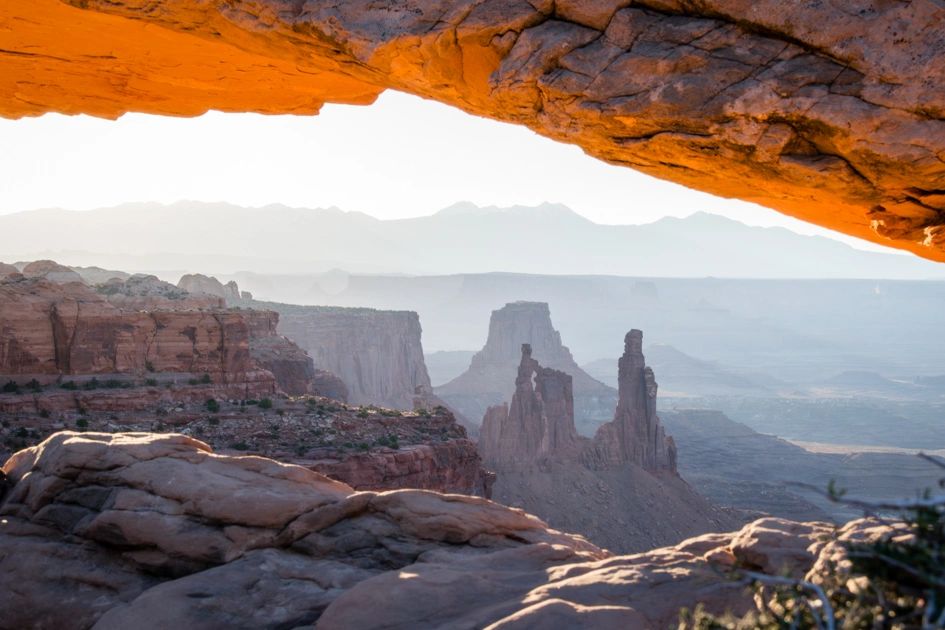
Southern Utah is one of the most visually striking regions in the country, but it’s also one of the easiest places to misjudge when planning your first trip.The difference between a stressful trip and an incredible one usually comes down to a few key things:
- giving yourself enough time
- keeping your itinerary realistic and not forcing too much
- understanding the logistics ahead of time
Do that, and everything else falls into place. Believe me when I say you will want to come back over and over and over, or if you're like me, you move here instead.
Planning a Trip to Southern Utah?
I’ve spent 10+ years exploring the Southwest, and THIS digital guide is everything I’d actually recommend—organized so you can build your trip without second-guessing every stop. It has hikes, scenic drives, overlooks, and 7 pre-built itineraries so you can plan it right the first time. Click the map above to learn more.
See you out there,
Mallory