
Common Mistakes First-Time Visitors Make in Southern Utah
Southern Utah’s landscapes are stunning, but poor planning can quickly ruin a trip. This guide covers the most common mistakes visitors make — from underestimating the heat to missing permits and overcrowded trails — and how to avoid them.


Planning your first trip to Southern Utah? The Southwest one of the most beautiful areas in the U.S. – but it's also very easy to underestimate what it takes to plan a vacation here.Not because it’s hard… but because expectations don’t always match reality. This is not a place you can show up and wing it once you arrive.If you’ve been saving pins, building a dream itinerary, and trying to “fit it all in,” this is where I want to help you fix that before you even get here.
Quick overview of ten mistakes to avoid when planning your vacation to Southern Utah
- Trying to See Too Much in One Trip
- Underestimating Distance and Drive Time
- Arriving Too Late to the Parks
- Not Preparing for the Heat
- Skipping Logistics Planning
- Assuming You’ll Have Cell Service
- Forgetting about Elevation Changes
- Not Respecting the Landscape
- Not Leaving Room for the Unexpected
- Planning to Hike Slot Canyons During Monsoon Season (or any time there is predicted rain)
📌 Related Blog Posts To Save For Later
- Southern Utah Travel Guide for First-Time Visitors
- Utah National Park Entrance Fees + Reservations
- Best Time to Visit Southern Utah (Month-by-Month Guide)
- Do You Need Reservations for Utah National Parks?
1. Trying to See Too Much in One Trip
This is the #1 mistake—every single time. Southern Utah looks compact on a map, but it’s not. Each park is massive, and every stop takes longer than you think once you factor in viewpoints, crowds, and just wanting to actually experience it. This is especially important in the winter when you don't have enough day time to fit everything you want to see. Trying to hit all five Utah national parks in a few days usually turns into:
- Constant driving
- Rushed stops
- Missing what actually makes each place special
What to do instead:
Pick 2–3 parks max for your first trip and build your itinerary around them. You’ll enjoy it more, and you’ll actually remember it. OR if you want to see all five of Utah's National Parks, you need to plan for minimally 7 days, 10 days is actually ideal to really enjoy and appreciate what Southern Utah has to offer. This is especially important if you're visiting in the winter, because that means shorter day time to see everything you want to see. I'd recommend one of two trips if you have 7 days or less:
- Zion, Bryce, Kanab, Page
- Capitol Reef, Hanksville, Arches, Canyonlands
2. Underestimating Distance and Drive Time
That “2-hour drive” rarely stays 2 hours.
Between:
- Scenic pull-offs
- Construction or slow traffic
- Park entrance lines -- big one depending on time of year you visit
- Stopping for food, gas, or photos
…it can easily turn into half your day.And this is where you don’t know what you don’t know. You assume there’s enough time to both explore and drive, and suddenly you're choosing between the two, especially if the daylight hours are shorter through the winter months.
What to do instead:
Plan fewer moves. Give yourself buffer time. Assume every drive will take longer than Google Maps says. Try to avoid moving locations every single day is you can and have a home base for 2-3 nights at a time if possible.
3. Arriving Too Late to the Parks
If you take one thing from this—this is it.The early bird gets the worm when it comes to visiting Utah National Parks. Places like Zion especially can feel overwhelming by mid-morning:
- Parking fills up -- sometimes by 0830 in the morning in Zion
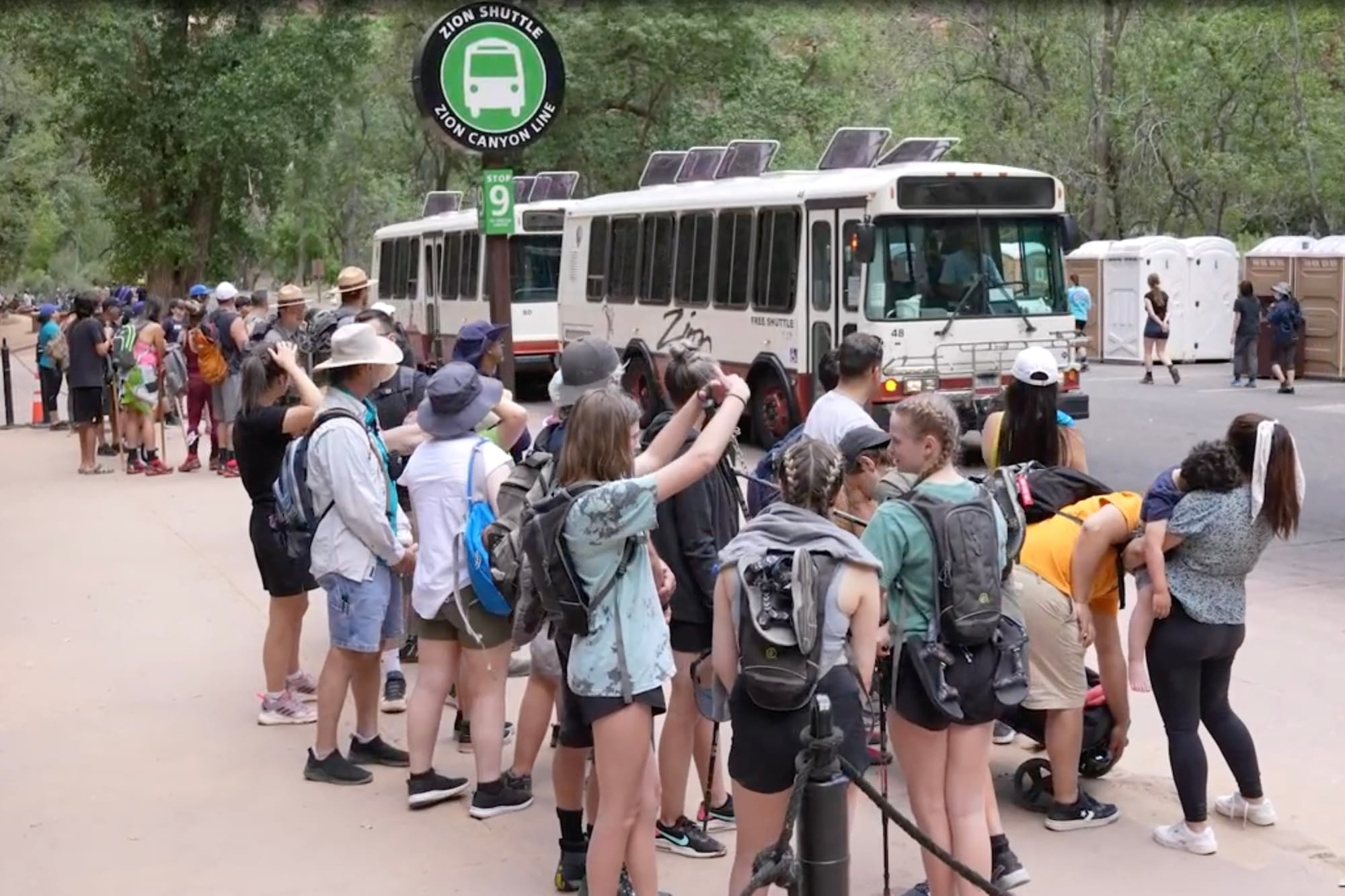
- Shuttle lines get long -- we're talking 1+ hour wait by 9am in Zion
- Trails are crowded and can take away from the experience
- Heat intensifies quickly if you visit us between June and September
What to do instead:
Plan to arrive before 7–8 AM, especially in peak season. I'm not kidding. Get to the park by 7 am and you will thank me later. Even if you're not a sunrise person, maybe try and be for vacation. Believe me, nothing beats catching a sunrise in Bryce Canyon. By arriving before 8am, you’ll beat the crowds, the heat, and the frustration.
4. Not Preparing for the Heat
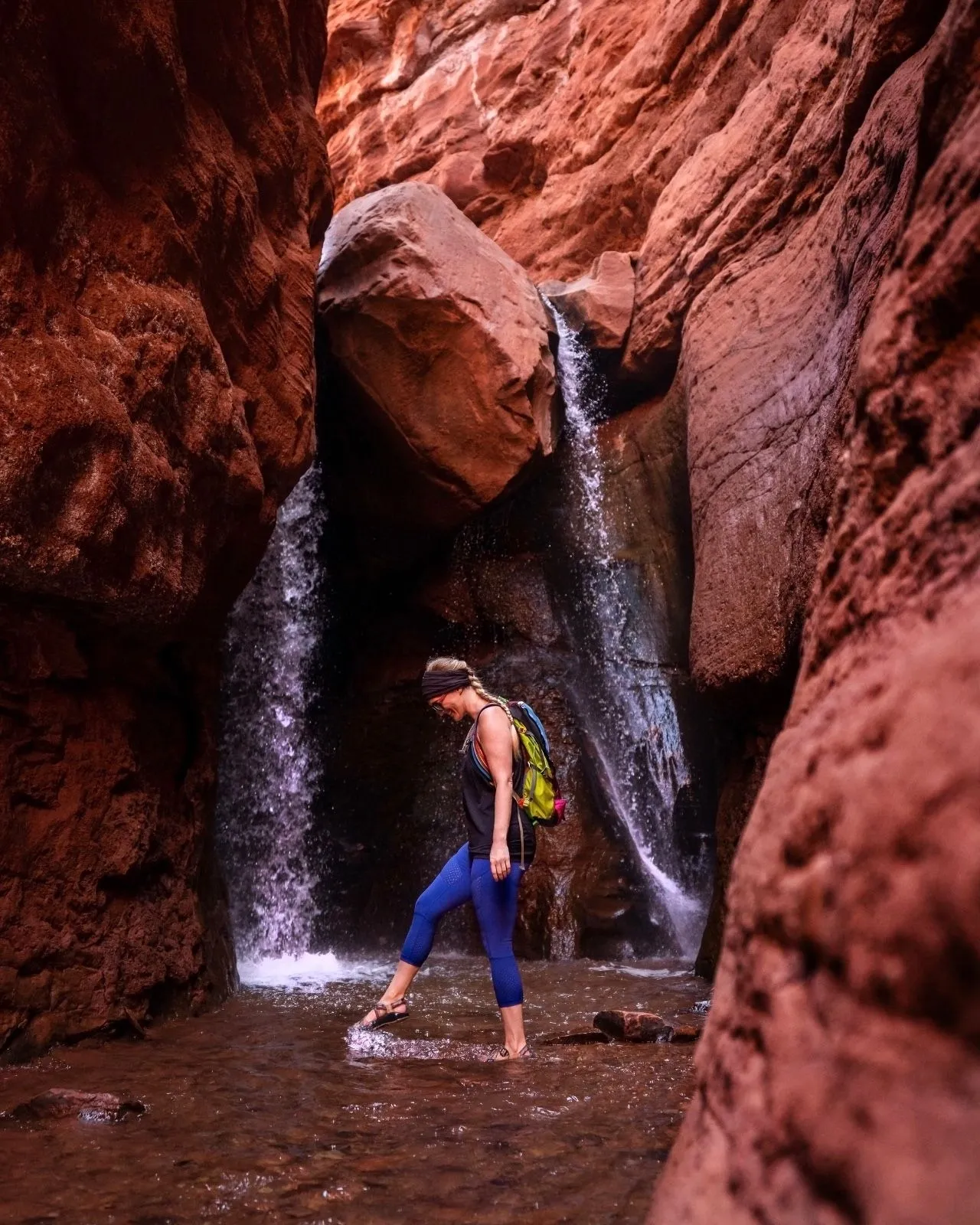
Southern Utah heat isn’t just “hot.” It can completely change what your day looks like. I refer to our summer as HADES. It's H-O-T, and it's likely unlike heat you've experienced before. It's a very dry heat and different from areas with humidity. In the summer (so think June, July, August):
- Temps regularly exceed 100°F
- Shade is minimal on many trails
- Dehydration happens fast -- I work in a trauma center that services parts of Southern Utah. Dehydration illnesses are very real and we DO see them.
This isn’t the place to “wing it” with one water bottle and no plan. I'm not kidding. A 16-24 oz plastic bottle of water is NOT going to cut it in the summer. You need to minimally plan for 1-2 liters PER HOUR of moderate hiking if its mid-day in the summer. This should be balanced with electrolytes for replenishment and/or salty snacks. See How Much Water Do You Need To Drink Hiking in Southern Utah?
What to do instead:
- Carry more water than you think you need -- if you're visiting in the summer and hiking, this should be minimally 2 liters
- Start hikes early -- well before sunrise to get some distance under you before it gets hot
- Avoid mid-day hiking in summer
- Know your limits
Your trip should feel exciting—not like survival mode. That's not fun for anyone.
5. Skipping Logistics Planning
You can't "wing" it here. This is one of the biggest mistakes first-time visitors make—assuming you can figure things out when you get here. You can’t. Southern Utah rewards planning, and trips fall apart quickly without it. Logistics matter more here than most destinations. Many of the most popular hikes require permits months in advance, and accommodations near Utah’s national parks often book out early. Wait too long, and you’ll either miss out entirely or be left piecing together whatever is still available. It’s not just permits and hotels, either. Gas stations can be few and far between, especially on scenic routes and between parks. Never pass one without asking yourself if you should top off—because you may not see another for a while, and cell service is often limited.Inside the parks, small logistical details can completely shape your day:
- Parking fills early (especially in Zion and Arches)
- Shuttle systems may be required (like in Zion National Park)
- Timed entry or reservations can apply depending on the park and year
- Trailhead access and road conditions vary by season
Ignore these, and you risk spending your day circling for parking, waiting in lines, or missing the experience altogether.
What to Do Instead
Plan ahead for each park and know exactly what to expect. Make sure permits are secured in advance and lodging is booked early. For driving days, have an idea of where to stop for gas along your route. When you start planning your days in the park, be sure to have an idea of the following:
- Where you’ll park for each hike or viewpoint
- How you’ll access trailheads (many in Zion require the shuttle or an e-bike—private vehicles are restricted most of the year)
- What time you need to arrive to secure parking and avoid peak heat or crowds
For example, you can’t just drive to trailheads like Emerald Pools, Weeping Rock, Angels Landing, or The Narrows during much of the year—you’ll need to factor in shuttle timing or alternative transportation. The more you plan for logistics upfront, the more time you’ll actually spend hiking, exploring, and enjoying the landscapes—not troubleshooting them in real time.
6. Assuming You’ll Have Cell Service
You won’t. Not reliably. Especially for long stretches of road you'll be driving between parks.A lot of Southern Utah is remote, and service drops fast once you’re inside parks or on scenic drives.
What to do instead:
- Download offline maps to your phone or carry a good old fashioned Atlas
- Screenshot directions and reservations
- Don’t rely on service for navigation
7. Forgetting about Elevation Changes
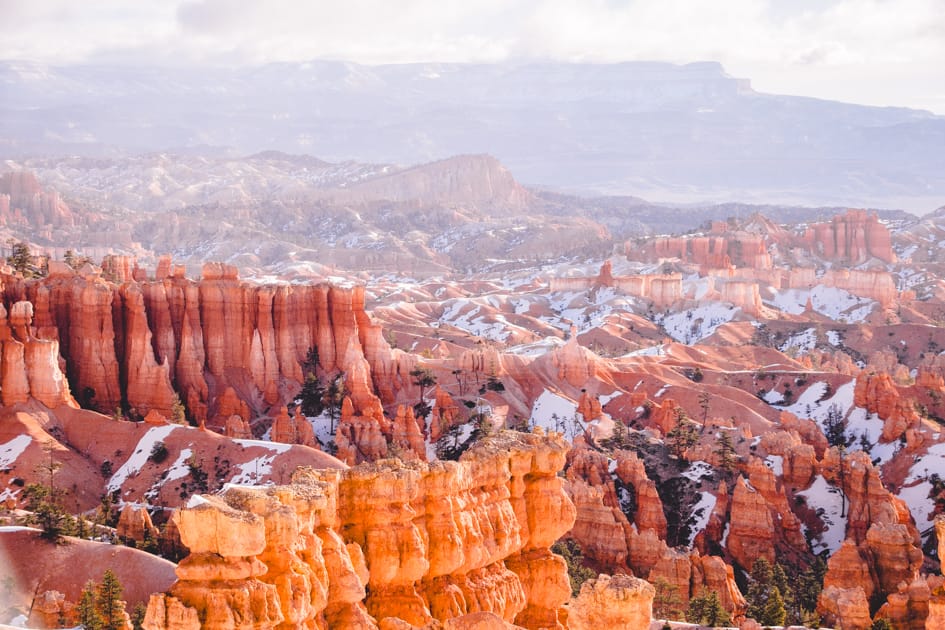
This is one of the most overlooked things—and it can make a HUGE impact if you're from sea level.Bryce Canyon National Park sits between 8,000–9,000 feet. That’s roughly 4,000–5,000 feet higher than Zion National Park.
They might look close on a map, but it does not feel the same.That difference means:
- Colder temperatures (often 15–20+ degrees cooler)
- Shortness of breath, especially on hikes
- Snow and ice lingering longer than expected
- Faster fatigue, even on “easy” trails
What to do instead:
- Dress in layers—even if it’s warm in Zion, you might need an extra layer in Bryce
- Take it slow your first day at higher elevation
- Drink more water than you think you need
- Check weather conditions specifically for Bryce, not just your starting point
I've had sunshine in Zion and a blizzard that afternoon in Bryce. If your trip includes multiple parks, elevation isn’t just a detail—it’s part of your planning with making sure you're prepared (and not miserable with altitude sickness.)
8. Not Respecting the Landscape
This one matters. A Lot. Especially to those of us that live here, but also it should matter to you, too. Southern Utah and the Southwest in general isn’t just beautiful—it’s extremely fragile. Cryptobiotic soil, desert ecosystems, and cultural sites take decades to recover from a single bad decision. If ever. We live in an extremely harsh environment that doesn't bounce back like many other areas in the US.
What to do instead:
- Stay on designated trails at all times. This includes both hiking trails and roads, even if you're ATVing. Going off-road or off-trail can cause irreversible damage.
- Don’t walk on cryptobiotic soil
- Never enter or climb on ancestral dwellings. Look but don't touch.
- Follow Leave No Trace principles
If you’re visiting, please do your part in helping us protect this beautiful place.
9. Not Leaving Room for the Unexpected
Some of the best moments here aren’t planned:
- A random pull-off with insane views -- believe me when I say you will want to stop every 15-30 minutes because the landscape is vastly different and there's another jaw-dropping pull-off.
- A quiet trail you didn’t expect to love
- Sunset somewhere you didn’t plan to stop
If your itinerary is packed to the minute, you’ll miss all of it.What to do instead:
Build flexibility into your trip. Leave space to explore, especially on your driving days. You will want to stop WAY more than what you originally plan.
10. Planning to Hike Slot Canyons During Monsoon Season (or any time there is predicted rain)
Slot canyons are one of the biggest reasons people visit Southern Utah and one of the most unique hiking experience you can have — but they can also become one of the most dangerous places to be during storms. Flash floods can happen fast, even if it’s sunny where you are. Storms miles away can send walls of water through narrow canyons with little to no warning. Every year, people underestimate this risk. Don’t assume a dry forecast in town means conditions are safe in a canyon.
What to do instead:
- Avoid slot canyons when rain or storms are in the forecast
- Check weather conditions for the entire region, not just your exact location
- Learn basic flash flood warning signs before your hike
- Have a backup plan in case conditions change
- If something feels off, turn around — the canyon will still be there another day
- Read Slot Canyon Safety Guide: Flash Flood Risks & How to Stay Safe
Final Thoughts
Southern Utah will absolutely live up to the hype, and I promise you will want to visit over and over, but to ensure a seamless vacation, it's going to take a little extra planning on your part. This is where I can also come into play and help you. I create 1:1 personalized itineraries based on what you want to see and make sure it's realistic based on your goals and travel style. If you want help mapping out your own trip, you can book a personalized itinerary HERE. Slow down. Plan smarter. Start each day earlier than you think you need to.
Planning to Visit Southern Utah?
I’ve spent 10+ years exploring the Southwest, and THIS digital guide is everything I’d actually recommend—organized so you can build your trip without second-guessing every stop. It has hikes, scenic drives, overlooks, and 7 pre-built itineraries so you can plan it right the first time. Click the map above to learn more.
See you out there,
Mallory