
Best Time to Visit Southern Utah (Month-by-Month Guide)
The best time to visit Utah depends on what you want—fewer crowds, cooler temperatures, or access to specific hikes and parks. Southern Utah changes drastically month to month, and choosing the time based on your desired goals makes all the difference.


When is the best time to visit Utah?
I get this question all the time—and the truth is, there isn’t one perfect month.Every season here feels completely different and is special in it's own way.Southern Utah isn’t just one climate. You’ve got desert valleys, deep canyons, and high plateaus all packed together—which means conditions can change fast. Cold mornings, hot afternoons, and big temperature swings depending on elevation are all normal.
Summers are brutally hot.
Winters can be cold with occasional snow that impacts driving conditions.
Spring and fall are the most balanced—but also the busiest—especially across Utah’s national parks like Zion, Bryce Canyon, Arches, Canyonlands, and Capitol Reef.
So the “best” time really depends on what you want:
- comfortable hiking weather
- fewer crowds
- or just timing that works with your schedule
Best Time to Visit Utah at a Glance:
- Best overall: April–May, September–October
- Best for fewer crowds: Winter (Dec–Feb)
- Best for hiking: Spring + Fall
- Avoid: July–August (extreme heat)
📌 Related Blog Posts To Save For Later
- When NOT to Visit Southern Utah (Brutal Truth From A Local)
- Common Mistakes First-Time Visitors Make in Southern Utah
- Utah National Park Entrance Fees + Reservations
- Southern Utah Travel Guide for First-Time Visitors
Quick Seasonal Breakdown
Spring (March–May)
One of the best times to visit—if you can handle the crowds.
- Comfortable temps for hiking
- Wildflowers and desert blooms
- Longer days
⚠️ Crowds ramp up quickly by April, especially with spring break, leading to packed trails, limited parking, and longer wait times across popular areas.
⚠️ Weather can shift quickly throughout the day, so you’ll want layers—think long sleeves or a jacket in the morning and evening, with lighter, summer clothes by midday.
Summer (June–August) — aka HADES
This is where most people underestimate Southern Utah.
- Great for river trips or any kind of water hikes -- think The Narrows, Professor Creek, Kanarraville Falls, or just floating the Colorado in general.
- Best time for high elevation (like Bryce Canyon or Cedar Breaks)
- If you do visit in the summer, make sure you read: How Much Water Do You Need To Drink Hiking in Southern Utah?
- Monsoons typically happen in July and August so if you plan on hiking any slot canyons, make sure to read Slot Canyon Safety Guide: Flash Flood Risks & How to Stay Safe
⚠️ Dangerous heat in lower elevations (Zion, Moab, Page)
⚠️ Afternoon monsoon storms (especially July–August) so not the ideal time to plan slot canyons. If you’re here midday in summer without a plan—it’s going to be miserable.
Fall (September–November)
Low-key one of the best seasons across the board. October to early November is one of my favorites because there is truly anything like cottonwoods turning their fall gold.
- Mild, stable weather
- Fewer crowds after October
- Fall color at higher elevations
- Crisp nights
⚠️ Shorter days as the season goes on and you can lose a lot of daylight when it comes to adventures. This is especially important if you're trying to visit on limited time.
⚠️ Some high-elevation roads start closing late fall due to snow and can really change up the structure of your trip. Bryce Canyon is higher elevation and it's common that roads will close in the winter. Parts of the park are inaccessible in the winter. Also depending your route, highway 12 over Boulder Mountain can close due to snow.
Winter (December–February)
Underrated—and honestly my personal favorite.
- Quiet trails, minimal crowds
- Snow on red rocks (completely different experience)
- Cheaper lodging in many areas
⚠️ Days are shorter and temperatures can stay cold, especially in the mornings and evenings, which limits how much you can comfortably fit into a single day.
⚠️ Occasional snow can impact travel plans, particularly in higher elevations, though it typically melts quickly on main roads and in lower elevation areas. The parks are usually great about plowing quickly to make things accessible again.
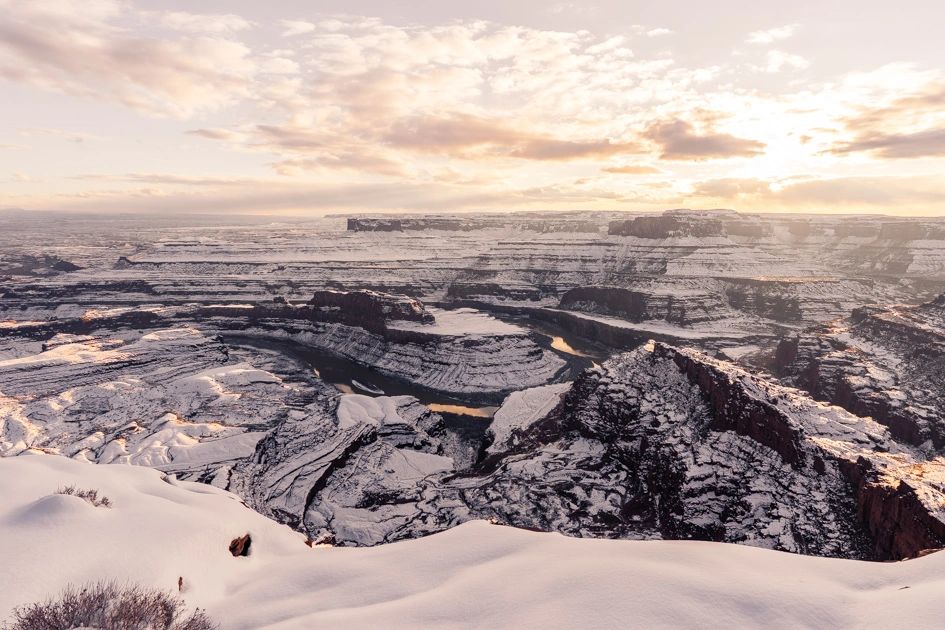
Best Time to Visit Southern Utah by Month
Keep in mind these are average temperatures—conditions can vary year to year and shift quickly depending on elevation and weather patterns.
January
Cold mornings, occasional snow, but quiet trails and minimal crowds. Great for Zion if you’re prepared for winter conditions, but beware of ice and pack microspikes. Highs around 45°F (7°C), lows near 20°F (-7°C). Cold, with a chance of snow.
February
Similar to January with slightly longer days. Still a quiet time across Southern Utah and most national parks. Highs in the low 50s (10°C), lows in the mid-20s (-4°C). Still wintery but slowly warming.
March
Weather starts to shift. Comfortable hiking days, but crowds begin picking up—especially in Zion and Arches. Highs in the upper 50s to low 60s (15°C), lows near freezing. Good for early spring hiking.
April
One of the best months for weather, but also one of the busiest. Expect heavy visitation across Utah’s national parks. Highs in the upper 60s (20°C), lows in the 30s (3°C). Comfortable days; spring flowers start. Good month to visit from a weather standpoint
May
Warm days, cool mornings. Great conditions overall, but crowds remain high. Highs in the mid-70s (24°C), lows in the mid-40s (7°C). Warm but not hot. One of the best months to visit from a weather standpoint.
June
Heat starts building quickly, especially in lower elevations like Moab and Zion. Highs in the mid-80s (29°C), lows in the 50s (10°C). Hot afternoons but manageable. Still good for hiking if you start early.
July
Peak summer heat. Early mornings and late evenings are key. Afternoon monsoons become more common. Highs in the mid-90s (35°C), lows near 60°F (16°C). Very hot, with afternoon storms. Toughest month for hiking.
August
Still extremely hot with frequent afternoon storms. Higher elevation areas offer relief. Highs in the low-90s (33°C), lows near 60°F (16°C). Still hot, storms break the heat. Tough for hiking.
September
One of the best months to visit. Temps start cooling, crowds begin to drop. Highs in the mid-80s (29°C), lows in the low 50s (10°C). Warm days, cool nights. Great for camping and hiking.
October
Ideal conditions—cooler weather, fewer crowds, and fall color in higher elevations. Highs in the low 70s (21°C), lows near 40°F (4°C). Crisp and comfortable. Another top month to visit for weather.
November
Quieter again. Cooler temps and shorter days, but still great for hiking. Highs in the mid-50s (13°C), lows in the 20s (-2°C). Chilly, but fewer crowds.
December
Chance of snow adds a completely different experience to Southern Utah landscapes. Highs in the low 40s (5°C), lows in the teens (-7°C). Cold, with possible snow.
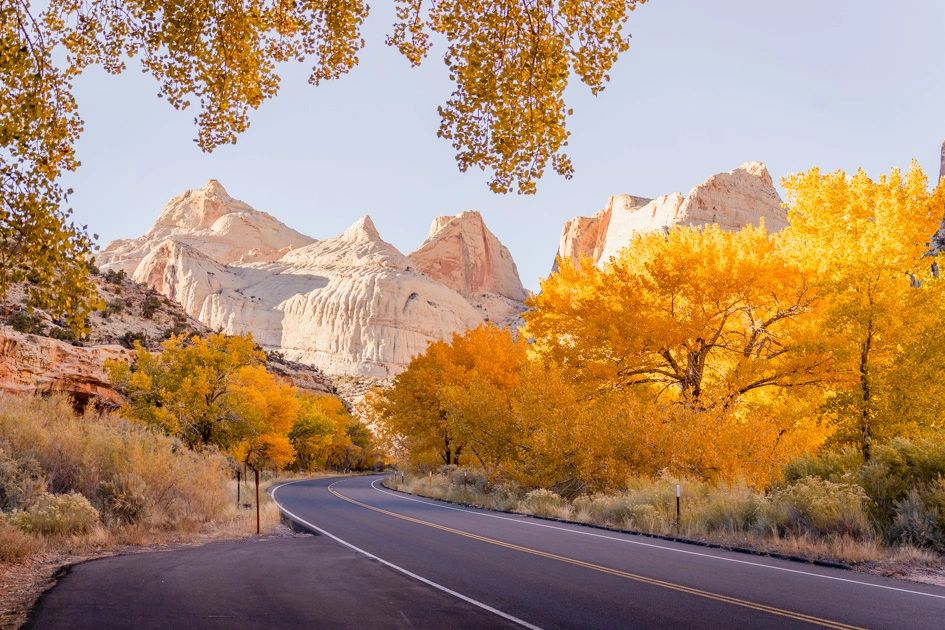
Worst Time to Visit Southern Utah
Okay, I hate to say WORST, when truly it's magical year around, but if you’re not prepared, July and August can be brutal. Read When NOT to Visit Southern Utah (Brutal Truth From A Local)
- Dangerous heat in Zion, Arches, and Canyonlands
- Limited hiking during midday
- Flash flood risk in slot canyons when monsoons hit
- Crowds + heat = not a great combo
That doesn’t mean don’t go—but you need to plan differently. You need to plan to be on the trails EARLY and knock out most of your strenuous activity before the heat hits. As far as water goes in the summer, you need to plan for 1-2 liters PER HOUR of moderate hiking, with appropriate electrolytes and salty snacks. I have an entire blog dedicated to Common Mistakes First-Time Visitors Make When Visiting Southern Utah
So… When Should You Visit?
...If you want:
Best hiking weather → Spring or Fall
Fewer crowds → Winter
Access to everything (but with tradeoffs) → Summer
Personally?
Winter wins for me—with fall as a close second. I LOVE the snowy red rocks more than just about anything in this world.Every season out here brings something different. The mistake people make is assuming there’s one “perfect” time—when really it depends on how you want to experience it. There's no wrong time to visit, as each season comes with a trade-off.
Planning a Trip to Southern Utah?
I’ve spent 10+ years exploring the Southwest, and THIS digital guide is everything I’d actually recommend—organized so you can build your trip without second-guessing every stop. It has hikes, scenic drives, overlooks, and 7 pre-built itineraries so you can plan it right the first time. Click the map above to learn more.
See you out there,
Mallory