
America the Beautiful Pass 2026: Cost, Changes & What to Know
America the Beautiful Pass 2026: what’s changing, how much it costs, and what you actually need to know before buying. This guide breaks down updates, eligibility, and when the pass makes sense for your national park travel plans.


America the Beautiful Pass 2026: Cost & Key Changes
If you’re planning a trip to the Utah National Parks or anywhere in the Southwest in 2026, this is one of the most important things to understand before you go.Because while the National Park Annual Pass is still one of the best investments you can make…The 2026 updates change who pays more and how passes are offered—and make it even more important to understand where your money actually goes.And if you don’t know the details?
You can easily overpay—or assume you’re covered when you’re not.
If you want a PHYSICAL pass but cannot purchase at the park, you can do that HERE and it will be mailed to you.
What Is the America the Beautiful Pass?
The America the Beautiful Pass is an annual federal lands pass issued by the National Park Service and partner agencies.It gives you access to:
- National Parks
- National Monuments
- BLM land
- National Forests
- Wildlife Refuges
* Covers 2,000+ federal recreation sites
* Cost (U.S. residents): $80/year
* Valid for 12 months
If you’re visiting multiple parks, it pays for itself fast. Mine usually pays for itself within the first 1-2 months after purchase.
To get the most value from your America the Beautiful Pass, try purchasing it at the beginning of the month. The pass is valid through the last day of the same month the following year, which can give you nearly 13 months of use instead of just 12.
What the National Park Pass Covers (And What It Doesn’t)
✔️ Included:
- Park entrance fees (per vehicle or per person)
❌ NOT included:
- Timed entry reservations, Read Do You Need Reservations for Utah National Parks?
- Permits (like Angels Landing or The Wave), Read Southern Utah Hikes Requiring Permits (Full List + How to Apply)
- Campgrounds
- Tours or special use fees
What this really means: This gets you through the gate—but it does NOT replace planning for permits or campgrounds.
Utah National Park Entrance Fees (2026)
Typical park entrance fees (Utah National Parks):
Zion National Park: $35
Arches National Park: $30
Bryce Canyon National Park: $35
Canyonlands National Park: $30
Capitol Reef National Park: $20Total cost to visit all five: $150 per vehicle so purchasing this pass will save you $70 in entrance fees alone.
Read Utah National Park Entrance Fees (Costs & Fees For Each Park)
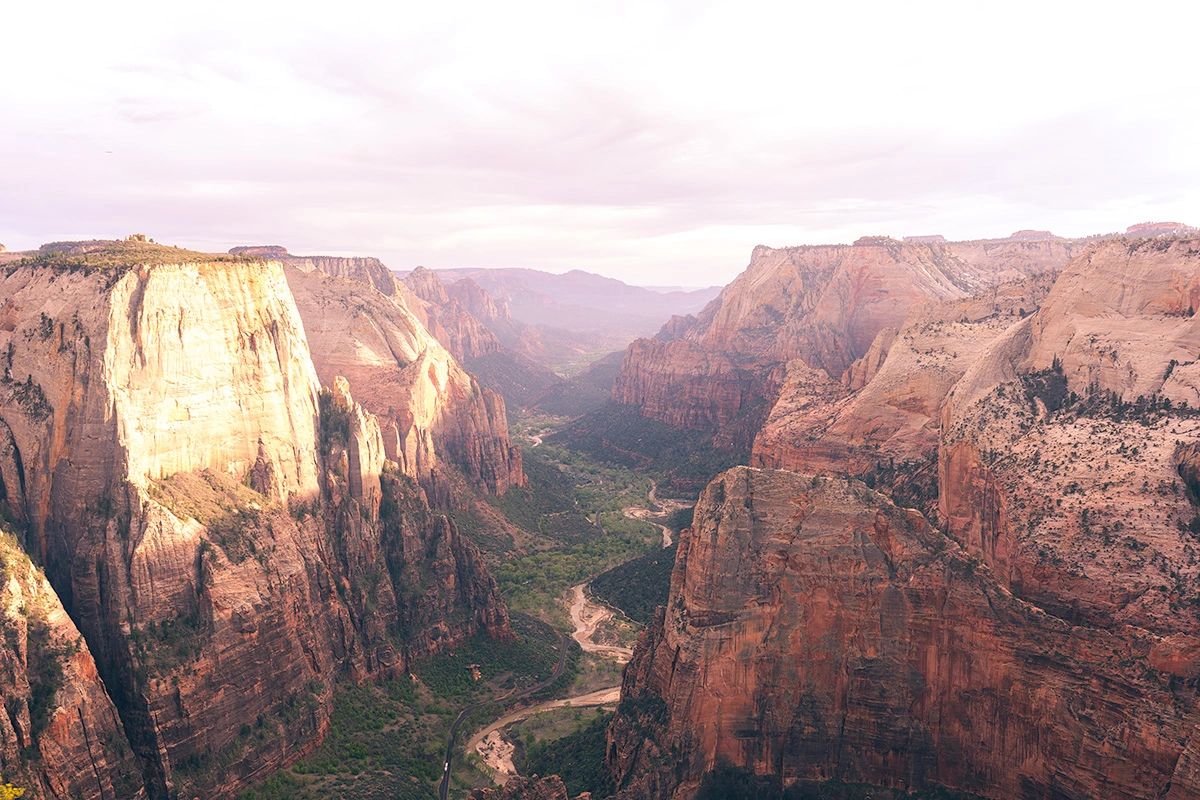
2026 Changes You Need to Know - This is especially important if you are a non-resident visitor! There are not many changes for US residents.
1. Digital Passes Launch in 2026
Starting in 2026, Recreation.gov will offer a digital America the Beautiful Pass and you can purchase that HERE. Something very important to know before you purchase a digital pass:
- Digital purchases go through contractors and processing systems first
- Less of your money stays inside the park system overall
If you have the means -- buy your pass in person at a park and you can still register it digitally. I've included instructions at the end of how to do this. HERE is a list of all sites and locations where you can buy a physical pass. Up to 80% of that fee stays at the site where you bought it, funding trails, restrooms, and infrastructure. Every year I try and support a smaller NPS site that might not get the funding that larger National Parks. I especially love supporting smaller National Monuments.
***If you want a PHYSICAL pass but cannot purchase at the park, you can do that HERE and it will be mailed to you.***
2. U.S. Resident Pricing Stays the Same
- Annual Pass: $80
- Senior, Military, Access, and 4th Grade passes remain unchanged
3. International Visitor Pass Increases to $250
Starting in 2026:
- Non-resident annual pass = $250 and you can purchase online HERE.
- Scroll down just a bit so I can explain how this actually works and what the costs would look like without it. FYI - if you're travelling alone and planning to visit two parks charging a surcharge like Zion and Bryce, the annual pass will be cheaper for you. Below I break it down with calculations.
4. $100/Day Surcharge at Select National Parks (Non-Residents Only)
Beginning in 2026, 11 high-visitation U.S. National Parks will charge:$100 per person, per day (for non-residents without an annual pass)This applies at:
- Acadia National Park
- Bryce Canyon National Park
- Everglades National Park
- Glacier National Park
- Grand Canyon National Park
- Grand Teton National Park
- Rocky Mountain National Park
- Sequoia National Park & Kings Canyon National Park
- Yellowstone National Park
- Yosemite National Park
- Zion National Park
This does NOT apply to U.S. residents. It is waived if an international visitor purchases the $250 annual pass
Is the America the Beautiful Pass Worth It For US Residents?
Short answer: Yes—almost always for a US resident, especially if you plan to visit 3+ national park sites on your visit. Read my full breakdown Is the America the Beautiful Pass Worth It?
2026 Park Entrance Fees:
Zion National Park: $35
Arches National Park: $30
Bryce Canyon National Park: $35
Canyonlands National Park: $30
Capitol Reef National Park: $20
You break even after 2–3 parks.If you’re doing a Southwest road trip, it’s a no-brainer. You will save $70 by purchasing the $80 America the Beautiful Pass.
Is the America the Beautiful Pass Worth It for Non-Residents?
Short answer: it depends on which parks you’re visiting. Let's break down a few situations where is does and doesn't make sense.
Scenario: Visiting Parks Without Surcharges
If you’re visiting parks without the $100 per day surcharge, the $250 annual pass usually doesn’t make sense.Most entrance fees are $30 to $35 per vehicle, which covers everyone in the car. If you visit two to three parks, you’re likely spending around $60 to $105 total per vehicle. That is significantly less than the cost of the annual pass, making it the better option in this scenario.
Scenario: 2 People Visiting Zion and Bryce Canyon
If your itinerary includes high-visitation parks like Zion National Park and Bryce Canyon National Park, the math changes quickly.At Zion, the surcharge is $100 per person. For two people, that is $100 multiplied by 2, totaling $200, plus the $35 vehicle fee for a total of $235.At Bryce Canyon, the same structure applies. The surcharge is $100 per person, or $200 for two people, plus the $35 vehicle fee, bringing the total to $235.Combined, visiting both parks without a pass would cost $470. Compared to the $250 annual pass, that results in a savings of $220.
Scenario: Solo Traveler Visiting Zion and Bryce Canyon
Even for a solo traveler, the pass becomes worth it quickly.At Zion, the cost is $100 for the surcharge plus $35 for entry, totaling $135. Bryce Canyon follows the same structure, adding another $135.That brings the total cost for both parks to $270. This is already more than the $250 annual pass, making the pass the better option even with just two parks.
Bottom Line
If you are a non-resident, the decision comes down to your itinerary. Visiting lower-fee parks only typically means paying entrance fees individually will cost less. Visiting any surcharge parks shifts the math quickly in favor of the annual pass, and the more parks you add, the more value it provides.
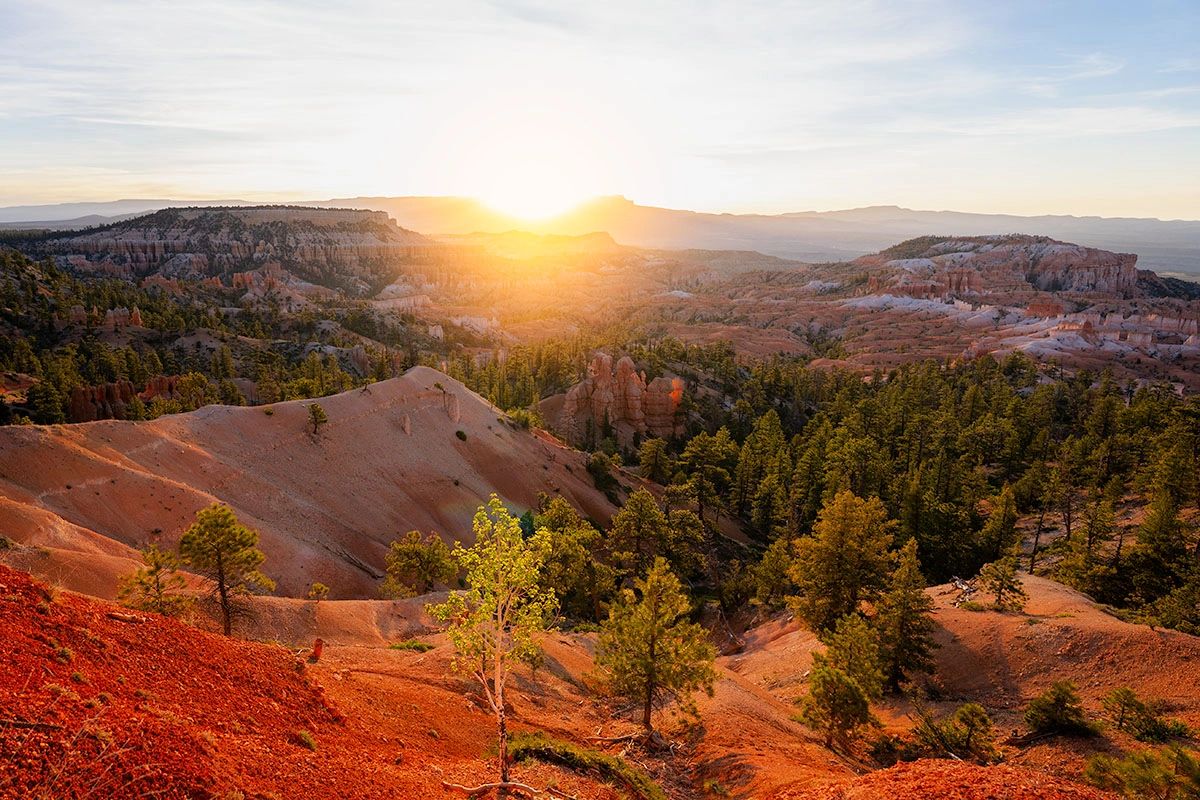
Why Buying Your Pass at the Park Matters
This isn’t new—but most people still don’t realize it. When you buy your pass at a park: ~80% of the funding stays there. When you purchase online or the digital pass, more is lost to processing + contractors. That money in parks directly funds:
- Trail repairs
- Restrooms
- Campgrounds
- Visitor centers
- Habitat restoration
- Ranger programs
Your purchase isn’t just access—it’s funding the park itself. So if you have the opportunity to buy in person, go that route, but it's not always feasible for everyone.
Best Strategy: Physical + Digital Backup
If you want convenience and impact:
- Buy a physical pass at a park
- Register it online
You get:
- Maximum funding impact
- Digital backup access
- Protection if you forget your pass
Registering an Existing Physical Pass
If you already own a physical pass, you can "register" it online to create a digital version:
- Log in to your Recreation.gov account.
- Navigate to the Passes section in the menu.
- Select "Connect an Existing Physical Pass to My Account".
- The name on the physical pass must exactly match the name on your Recreation.gov account.
I'm unable to buy a pass in person. Where do I purchase the America the Beautiful Pass?
Residents
If possible, buy your pass in the park to support that specific location—but if you need to purchase ahead of time, you can do so here.
Non-US Residents:
Buying your pass in the park helps keep more of your money in that park—but booths don’t always take cash and sometimes don't have the non-resident pass, so you may want to purchase ahead of time here.
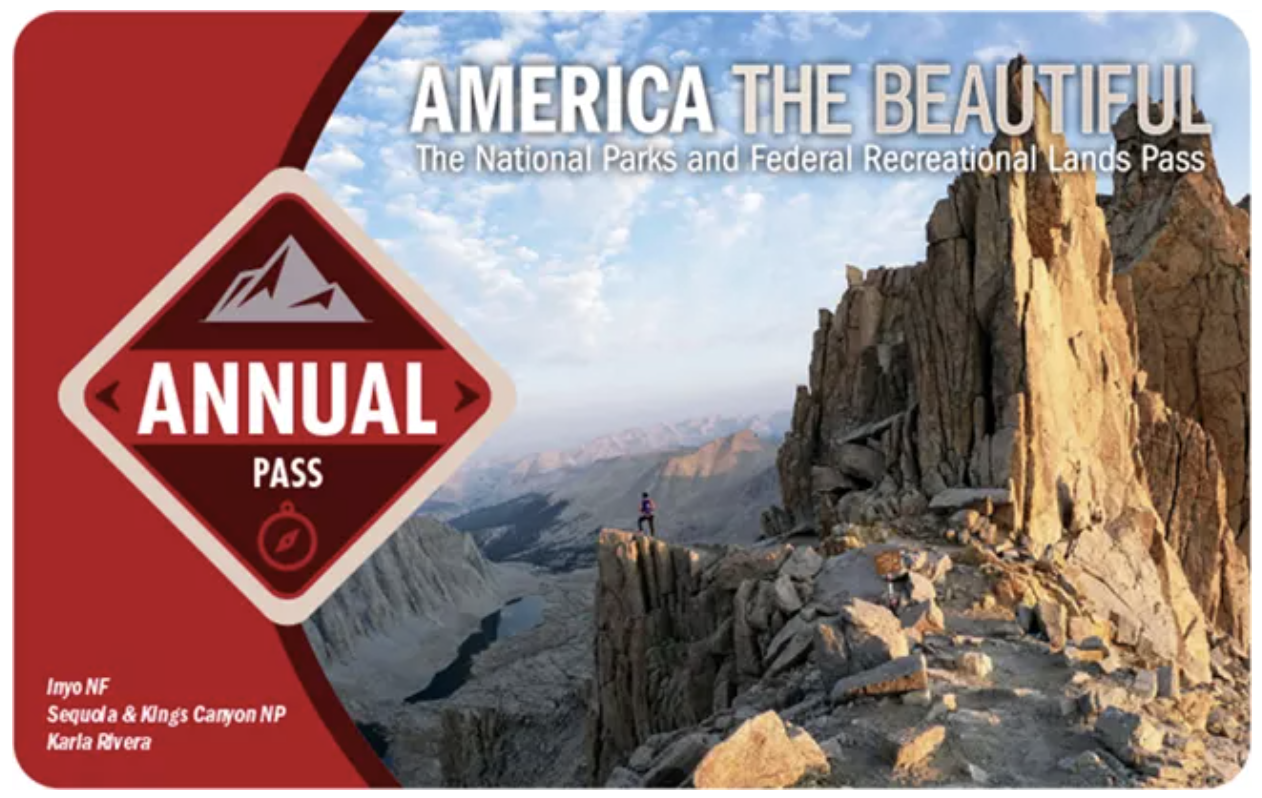
America the Beautiful Pass Frequently Asked Questions
Is the America the Beautiful Pass worth it?
Yes — if you plan to visit multiple national parks or federal recreation sites in one year, the pass usually pays for itself quickly. Most national park entrance fees range from $20–35 per vehicle. Read Is the America the Beautiful Pass Worth It?
How much does the America the Beautiful Pass cost in 2026?
The standard annual pass costs $80 and covers entrance fees at national parks and many federally managed public lands for one vehicle or pass holder.
What does the America the Beautiful Pass include?
The pass covers entrance fees at national parks, national monuments, national recreation areas, and other federally managed lands operated by agencies like the National Park Service, Forest Service, BLM, and Fish & Wildlife Service.
Does the America the Beautiful Pass cover permits or camping?
No. The pass only covers entrance fees. Campgrounds, tours, permits, and reservations still require additional payment. Read Southern Utah Hikes Requiring Permits (Full List + How to Apply)
Does the pass cover everyone in the vehicle?
Yes — at parks that charge per vehicle, the pass covers all passengers in a private non-commercial vehicle.
Can I use the America the Beautiful Pass at Utah national parks?
Yes. The pass is valid at Zion, Bryce Canyon, Capitol Reef, Arches, and Canyonlands National Park, in additional to other federal managed sites like National Monuments that charge fees. The pass DOES NOT cover entry to Utah State Parks.
Can I use the America the Beautiful Pass at Utah state parks?
No. The pass DOES NOT cover entry to Utah State Parks.
Where can I buy the America the Beautiful Pass?
You can purchase it online through the National Park Service or at participating national park entrance stations and visitor centers. If you would like to purchase online prior to your trip, you made do so here.
How long is the America the Beautiful Pass good for?
Yes. The pass is valid for 12 months from the month of purchase. So if you purchase on December 1, 2025, it will expire December 31, 2026. To get the most value from your America the Beautiful Pass, try purchasing it at the beginning of the month. The pass is valid through the last day of the same month the following year, which can give you nearly 13 months of use instead of just 12.
Final Thoughts
- More people will default to digital because of convenience. Always buy at the park if you can THEN register it online.
- International pricing is higher.
- Surcharges are being rolled out at some of the most visited parks.
- If you want a PHYSICAL pass but cannot purchase at the park, you can do that HERE and it will be mailed to you.
Hopefully this covered any questions you might have had. If not, feel free to drop me a line in the contact box under Meet Mallory and I'm happy to help determine what will be the most cost-effective route for you to go.
Planning a Trip to Southern Utah?
I’ve spent 10+ years exploring the Southwest, and THIS digital guide is everything I’d actually recommend—organized so you can build your trip without second-guessing every stop. It has hikes, scenic drives, overlooks, and 7 pre-built itineraries so you can plan it right the first time. Click the map above to learn more.
See you out there,
Mallory