Zion National Park Travel Guide: Best Things to Do, Hikes & Tips
Planning a trip to Zion National Park? Discover the best hikes, scenic drives, shuttle information, where to stay, and practical tips for visiting one of Utah's most popular National Parks.


All photographs are © Roaming the Southwest unless stated otherwise. Unauthorized reproduction or use is prohibited.
Zion National Park is home to some of the most iconic hikes in the Southwest, but there's a lot more to this park than Angels Landing and The Narrows.
Between Canyon Overlook, scenic drives, and shorter trails, there's plenty to see even if you're visiting with kids or only have one day. Some of my favorite views in Zion don't require an all-day hike or a difficult-to-get permit.
Zion does require more planning than some of Utah's other National Parks, especially when it comes to the seasonal shuttle system, parking, and hiking permits. This guide covers the best hikes, things to do, scenic drives, itineraries, and everything you need to plan your visit.
Zion National Park Overview
Zion National Park was established in 1919 and protects a landscape of towering Navajo sandstone cliffs, narrow canyons, and the Virgin River.
Most first-time visitors explore Zion Canyon, where you'll find popular trails, shuttle stops, and many of the park's most recognizable views.
However, Zion also includes the Zion-Mount Carmel Highway, Kolob Canyons, and Kolob Terrace, each offering a different experience.
Where Is Zion National Park?
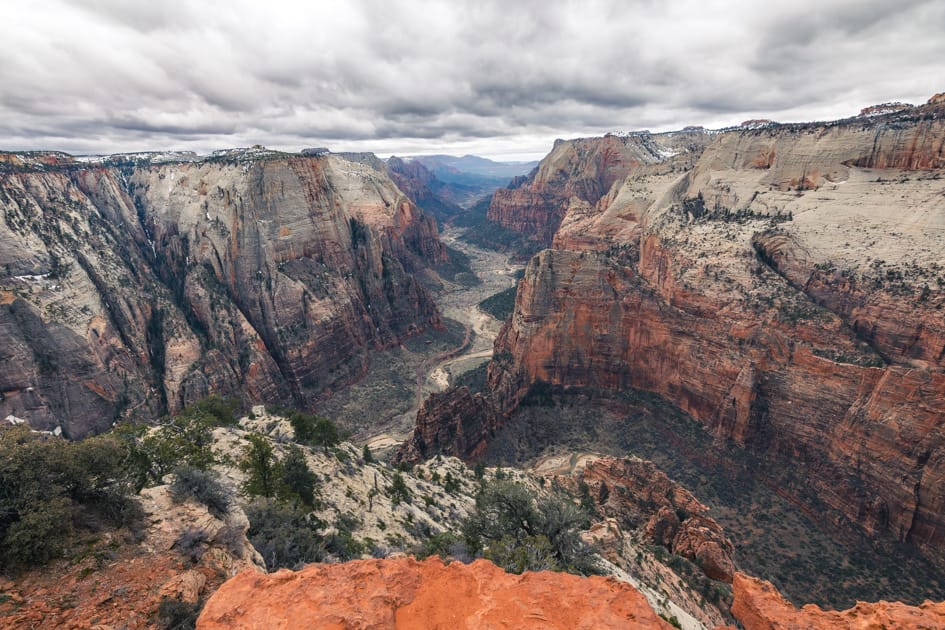
Zion National Park is located in southwestern Utah, just outside Springdale.
The South Entrance provides access to Zion Canyon and the main visitor center. The East Entrance connects to the Zion-Mount Carmel Highway, while Kolob Canyons has a separate entrance off Interstate 15.
How to Get to Zion National Park
Las Vegas is the most practical airport for most visitors flying to Zion National Park, with more flight options and typically cheaper airfare. From Las Vegas, it's approximately a 2.5–3 hour drive to Zion's South Entrance in Springdale.
If you're planning to visit all five Utah National Parks, Salt Lake City or Grand Junction may also make sense depending on your route.
If you're combining Zion with Bryce Canyon, the drive between the parks takes approximately 1.5–2 hours.
Closest Airports to Zion National Park
The best airport depends on your itinerary. Las Vegas generally offers the most flight options, while St. George is considerably closer.
If you're visiting all five Utah National Parks, consider flying into Las Vegas and departing from Salt Lake City or Grand Junction to avoid unnecessary backtracking.
Zion National Park Entrance Fees & Reservations
Zion National Park does not currently require timed-entry reservations for general admission.
The standard entrance fee is $35 per private vehicle, valid for seven consecutive days.
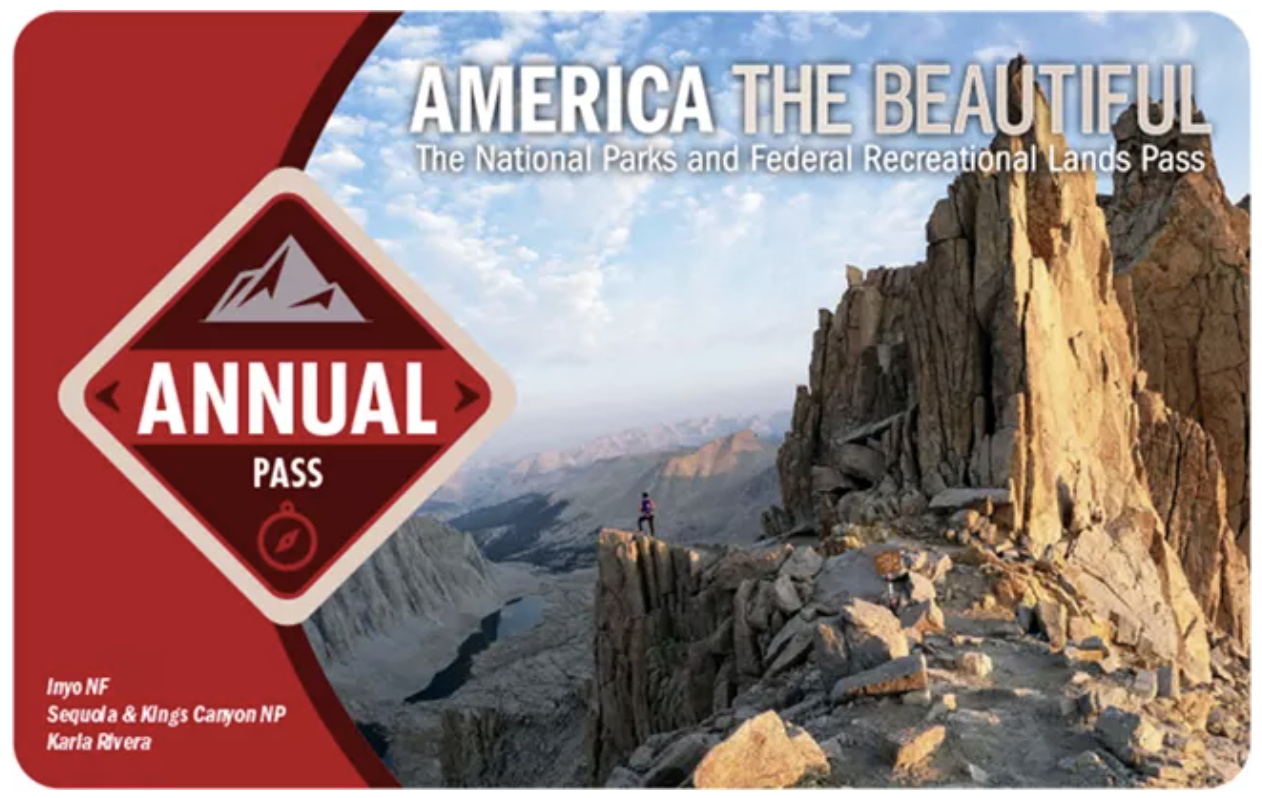
An America the Beautiful Pass covers the standard park entrance fee.
However, some activities require additional permits or reservations:
- Angels Landing: A permit is required to hike the chains section.
- The Narrows: A permit is not required for the standard bottom-up day hike from Temple of Sinawava, but top-down trips require wilderness permits.
- The Subway: A wilderness permit is required.
- Camping: Campground reservations are separate from park admission.
For updated entrance fees and pass information, see my America the Beautiful Pass guide.
Zion National Park Shuttle System
One of the biggest differences between Zion and Utah's other National Parks is its seasonal shuttle system.
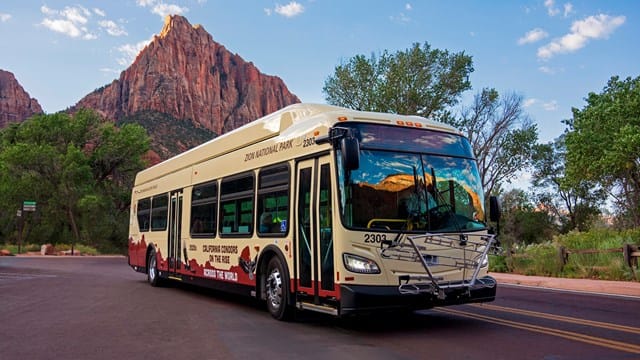
During shuttle season, private vehicles generally cannot drive Zion Canyon Scenic Drive. Instead, visitors use the free park shuttle to reach most trailheads in the main canyon.
The shuttle typically operates from spring through fall, with additional service during some winter holiday periods.
You do not need a ticket or reservation to ride the Zion shuttle.
How the Zion Shuttle Works
There are two separate shuttle routes:
Zion Canyon Shuttle: Runs from the Zion Canyon Visitor Center into the main canyon, stopping at popular trailheads and viewpoints.
Springdale Shuttle: Connects stops throughout Springdale with the park's pedestrian entrance.
If you're staying in Springdale, you can often leave your vehicle at your accommodation and use the town shuttle.
The Zion Canyon shuttle takes approximately 45 minutes to travel from the Visitor Center to the final stop at Temple of Sinawava, not including wait times.
My recommendation: During busy times of year, I'd be in line for the shuttle before 8 AM, especially if you're planning to hike The Narrows. Shuttle lines can get extremely long, and parking at the Visitor Center can fill up quickly, so factor in time to find a spot, too.
Can You Drive Your Own Vehicle in Zion?
Yes, but not everywhere.
During shuttle season, private vehicles are generally prohibited on Zion Canyon Scenic Drive.
You can still drive the Zion-Mount Carmel Highway, Kolob Canyons Scenic Drive, and Kolob Terrace Road when those roads are open.
Check the official Zion shuttle schedule before visiting because service dates and departure times change throughout the year.
Best Time to Visit Zion National Park
Zion is open year-round, but the experience changes significantly by season.
Spring (March–May)
Spring is one of the best times to visit Zion for hiking, with generally more comfortable temperatures than summer.
However, snowmelt can cause high water levels in the Virgin River, which may prevent hiking The Narrows.
Popular trails and shuttle stops can also be crowded during spring break.
Summer (June–August)
Summer brings long daylight hours but also intense heat, especially on exposed trails.
Temperatures in Zion Canyon can exceed 100°F, making early starts important.
Summer is also monsoon season, when thunderstorms can create dangerous flash floods if you're planning on any slot canyons like The Narrows.
Fall (September–November)
Fall is one of my favorite times to photograph Zion. Cottonwoods along the Virgin River typically reach peak color in late October to early November, while fall colors around The Subway usually peak toward the end of October.
Temperatures are generally better for hiking than in summer, but Zion is still busy in the fall, especially on weekends.
Winter (December–February)
Winter is a good time to visit Zion if you want to avoid the worst of the crowds. Snow is possible, and shaded trails can stay icy, so check conditions before hiking.
One advantage of visiting in winter is that you can usually drive your own vehicle along Zion Canyon Scenic Drive when the shuttle isn't operating. Just be aware that shuttle service may resume during the holidays, and parking is still limited.
Best Things to Do in Zion National Park
1. Hike Canyon Overlook Trail
Canyon Overlook is non-negotiable for me. It's one of the best bang-for-your-buck hikes in Zion, with incredible views for relatively little effort.
Parking is extremely limited near the trailhead, so I recommend getting there early.
2. Hike Angels Landing
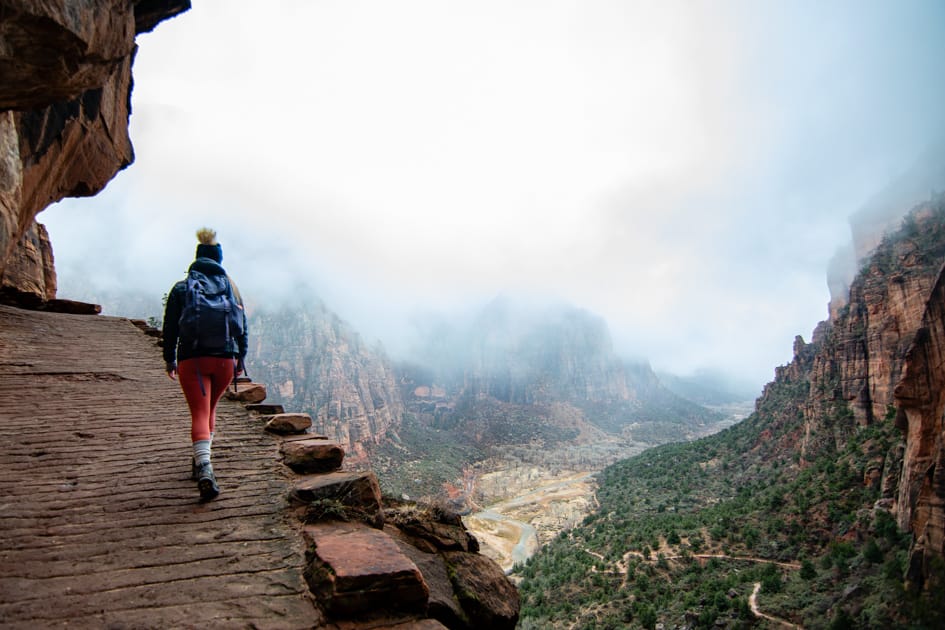
Angels Landing is one of Zion's most famous hikes, known for its steep drop-offs and exposed chains section.
You'll need a permit to hike beyond Scout Lookout, but you can still hike the West Rim Trail to Scout Lookout without one. For details on permits and how to apply, check out my Southern Utah Hikes Requiring Permits guide.
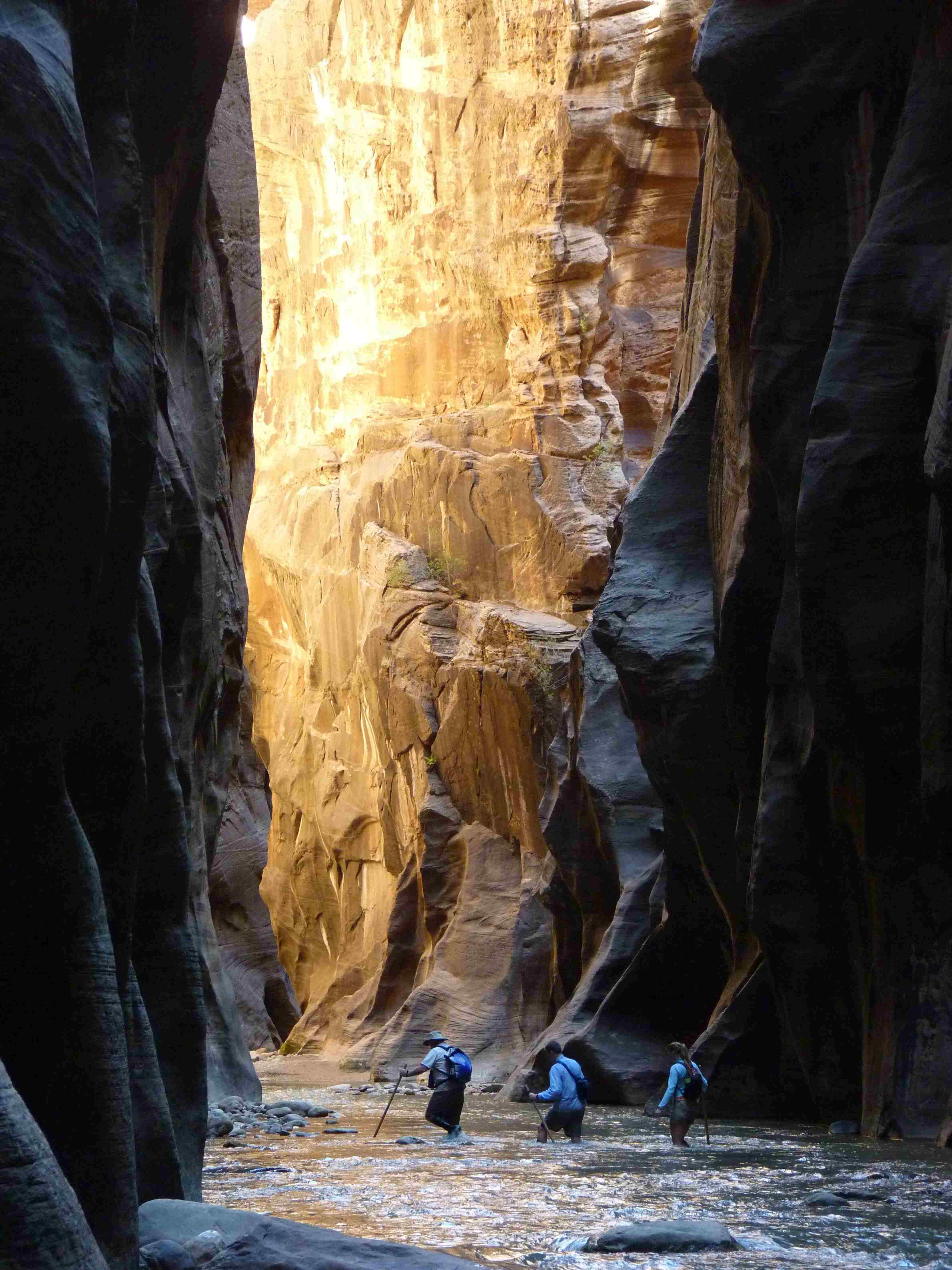
3. Hike The Narrows
The Narrows takes you directly through the Virgin River between towering canyon walls. You can hike as far as you'd like before turning around on the bottom-up route.
My recommendation: Rent canyoneering boots and neoprene socks from an outfitter in Springdale, especially during colder months. You don't necessarily need specialized gear, but sturdy, closed-toe footwear with good traction is important. If you're bringing a camera or other electronics, I'd also recommend a waterproof dry bag.
Always check river conditions and flash-flood forecasts before entering The Narrows.
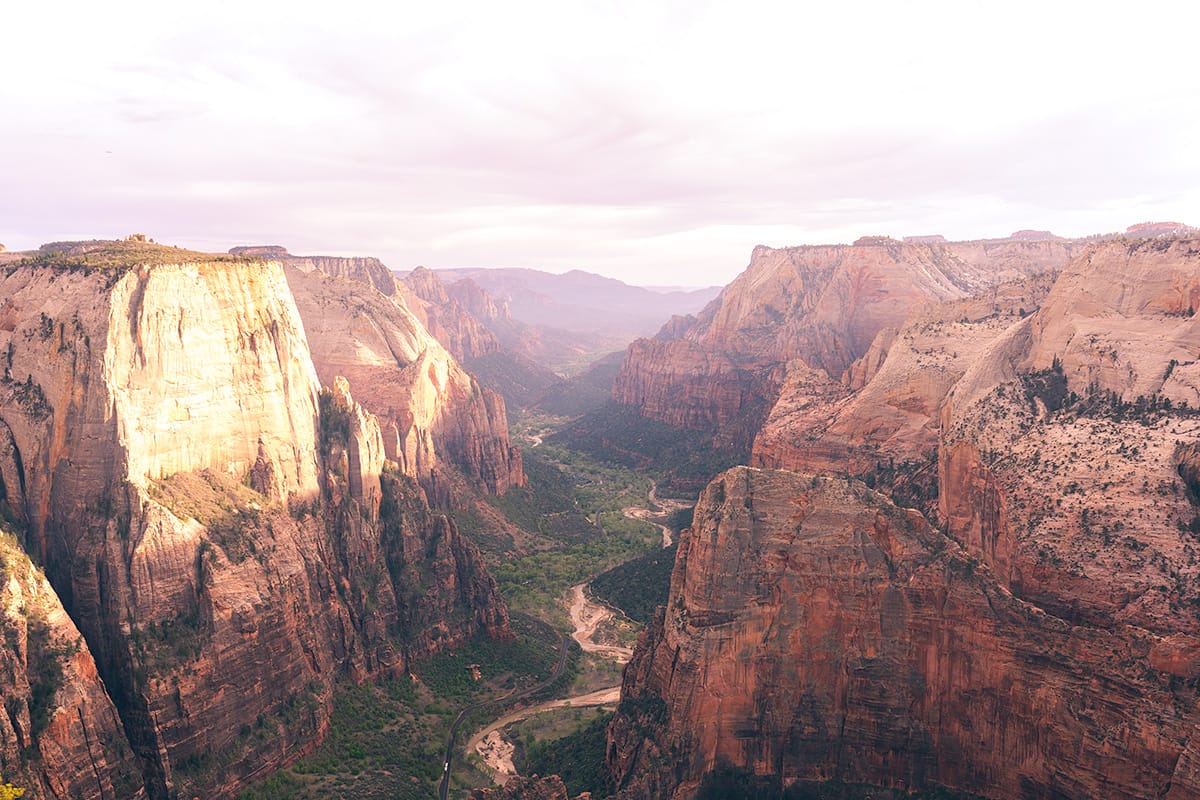
4. Hike to Observation Point
Observation Point is one of my favorite views in Zion, looking down over Zion Canyon and Angels Landing. I actually prefer this view over Angels Landing since it is a higher vantage point.
The East Mesa Trail is approximately 7 miles round trip. The trailhead is accessed outside the main canyon, and the final road can be rough. Consider using a shuttle from Zion Ponderosa if you don't have an appropriate vehicle.
5. Drive the Zion–Mount Carmel Highway
This scenic drive connects Zion Canyon with the park's east entrance, passing through the historic Zion–Mount Carmel Tunnel.
Allow time for pullouts and stops along the way. The sandstone formations on the east side are completely different from those in the main canyon.
6. Hike the Emerald Pools Trail
Emerald Pools is a good option for families with kids, especially the Lower Emerald Pool Trail. The trail passes beneath dripping sandstone walls, with small waterfalls that flow over the trail when water levels are high.
The Middle and Upper Pools require more climbing, with the Upper Pool sitting beneath a massive sandstone cliff. If you're visiting with younger kids, I'd stick to the Lower Pool, but if your kids are older and adventurous, keep on going.
Water flow varies by season, and trail closures can affect which pools are accessible, so check current conditions before visiting.
7. Walk the Riverside Walk
This paved trail follows the Virgin River to the beginning of The Narrows.
It's a good option if you want to see the canyon without committing to hiking through the river.
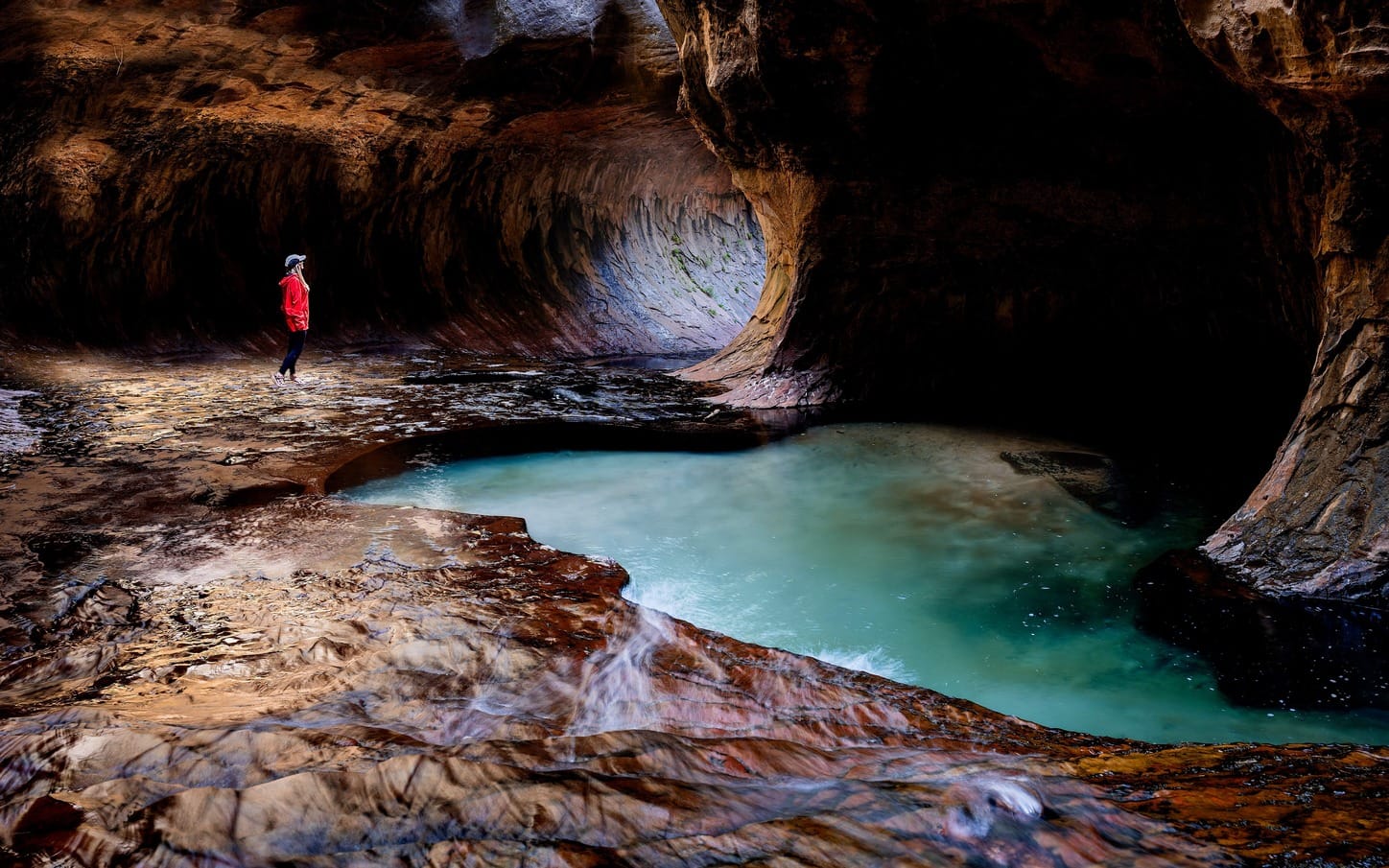
8. Hike The Subway
The Subway is easily one of my top three National Park hikes in Utah. Located in the Kolob Terrace area of Zion, the bottom-up route follows the Left Fork of North Creek through the canyon, with creek crossings, scrambling over boulders, and waterfalls before reaching the iconic subway-shaped section.
It's approximately 9 miles round trip and is a strenuous, full-day hike that requires route-finding. A wilderness permit is required, and you can find permit requirements and application details in my Southern Utah Hikes Requiring Permits guide.
If you're visiting in late October, you may also catch the fall colors along the creek.
My recommendation: Don't underestimate this hike. It's considerably more challenging than the mileage suggests, especially on the return climb out of the canyon.
9. Walk or Bike the Pa'rus Trail
The Pa'rus Trail is a paved, accessible trail following the Virgin River between the Visitor Center and Canyon Junction.
It's one of the few trails in Zion where leashed dogs are allowed, making it a good option for visitors traveling with pets.
10. Hike the Watchman Trail
The Watchman Trail starts near the Visitor Center and climbs to views of the Watchman, Springdale, and the lower canyon.
It's a good option if you're staying in Springdale and want a hike without relying on the park shuttle. This is one of my preferred hikes in the park for sunset.
Best Hikes in Zion National Park
My recommendation: Canyon Overlook is non-negotiable. It's one of the best bang-for-your-buck hikes in the park.
If you only have one day, I'd prioritize Canyon Overlook and choose one longer hike: Angels Landing, Observation Point, or The Narrows.
If you can't get an Angels Landing permit, you can still hike to Scout Lookout via the West Rim Trail. You only need a permit to continue onto the chains section of Angels Landing.
Best Scenic Drives in Zion National Park
Zion-Mount Carmel Highway
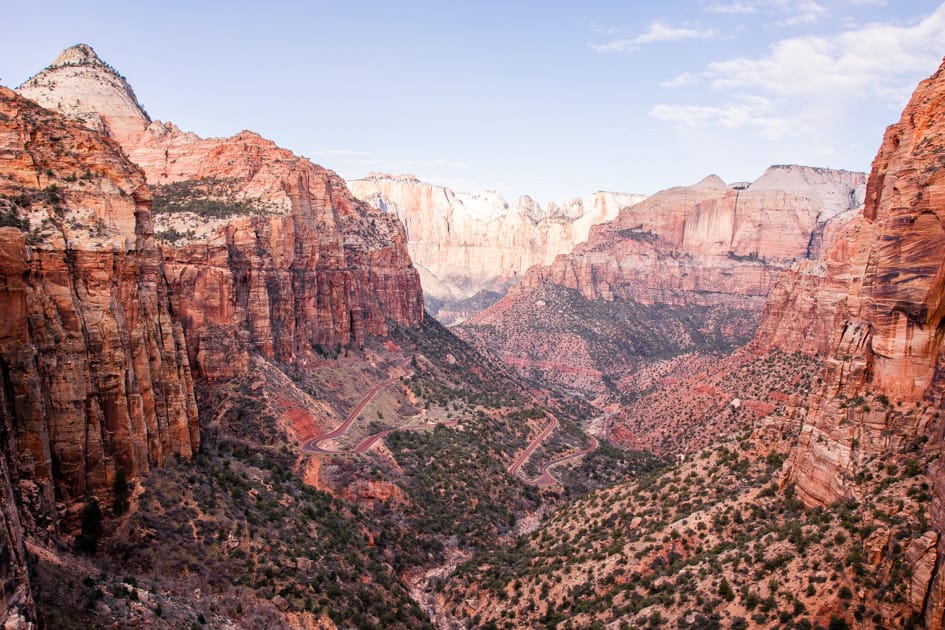
The Zion-Mount Carmel Highway connects Zion's South and East Entrances, passing through switchbacks, sandstone formations, and the historic Zion-Mount Carmel Tunnel.
It's one of the best ways to experience Zion's scenery without a major hike.
Allow extra time for viewpoints, but only stop in designated parking areas.
Large vehicles face additional restrictions, so check current tunnel and highway rules before traveling in an RV or oversized vehicle.
Zion Canyon Scenic Drive
Zion Canyon Scenic Drive follows the Virgin River into the heart of the park.
During shuttle season, you'll experience this route aboard the free Zion shuttle rather than in your personal vehicle.
When the shuttle isn't operating, private vehicles may be permitted, although parking restrictions still apply.
Kolob Canyons Scenic Drive
Kolob Canyons Scenic Drive is approximately five miles long and provides views of towering red sandstone cliffs.
It's located in a separate section of the park, so allow additional driving time if you're staying in Springdale.
Kolob Terrace Road
Kolob Terrace Road travels through a less-developed part of Zion with scenic views and access to trailheads.
Higher elevations can receive substantial snow, and seasonal road closures are common.
Best Photography Locations in Zion National Park
Canyon Overlook
One of my favorite viewpoints in Zion, overlooking Pine Creek Canyon. It's a great spot for both sunrise and sunset, but I prefer sunset if you don't mind the crowds. Parking is extremely limited, so plan accordingly.
Observation Point
One of the best elevated views of Zion Canyon, looking down toward Angels Landing. I actually prefer the views from Observation Point over Angels Landing. The East Mesa Trail is approximately 7 miles round trip, and the road to the trailhead can be rough, so plan accordingly.
The Watchman and Virgin River
The Watchman is one of Zion's most recognizable photography subjects. Look for compositions along the Virgin River near the South Entrance. It's no longer legal to photograph from the Canyon Junction Bridge, but I like the compositions from along the Pa'rus Trail from here: 37.216654, -112.975094
Zion–Mount Carmel Highway
The eastern side of Zion has layered sandstone, unusual rock formations, and plenty of photography opportunities along the highway. Only park in designated areas and make sure you fully pull off the road when you stop.
The Narrows
The Narrows offers incredible photography opportunities, especially in Wall Street, which begins approximately 1.5 miles upstream from the end of Riverside Walk (2.5 miles from the shuttle stop). Bring waterproof protection for your camera and check river conditions before entering.
Zion National Park Itineraries
One Day in Zion National Park
With one day in Zion, I'd prioritize Canyon Overlook and one major hike rather than trying to see every section of the park.
Morning: Start early with Angels Landing or Scout Lookout, The Narrows, or Observation Point. Choose one based on permits, conditions, and how much hiking you want to do.
Afternoon: Hike Canyon Overlook and explore the Zion–Mount Carmel Highway. If you've chosen Observation Point, plan extra time for the drive to and from the East Mesa Trailhead.
Evening: Head back to Springdale for dinner.
If you choose The Narrows, be prepared for it to take most of your day, depending on how far you hike.
Two-Day Zion National Park Itinerary
Day 1: Start with Canyon Overlook, then spend the rest of the day exploring Zion Canyon. Hike to Scout Lookout via the West Rim Trail (continue to Angels Landing if you have a permit), and visit Emerald Pools or Riverside Walk if you have time.
Day 2: Choose another major hike, such as The Narrows or Observation Point via East Mesa Trail. If you'd rather spend less time hiking, explore the Zion–Mount Carmel Highway, stop at scenic viewpoints, and visit Kolob Canyons.
My recommendation: With two full days, I'd prioritize Canyon Overlook and two of Zion's major hikes rather than spending most of your time on short walks and shuttle stops.
Three Days in Zion National Park
With a third day, I'd recommend exploring one of Zion's more challenging backcountry hikes.
My pick would be The Subway, a strenuous hike through the Left Fork of North Creek featuring waterfalls, pools, and the iconic subway-shaped canyon. A wilderness permit is required, and the bottom-up route involves route-finding, creek crossings, and scrambling.
If The Subway isn't an option, consider exploring Kolob Canyons or hiking the West Rim Trail.
Where to Stay Near Zion National Park
Springdale, Utah
Springdale is the most convenient place to stay for visiting Zion Canyon.
The town sits directly outside the South Entrance and has hotels, restaurants, shops, and shuttle access.
If your main priority is hiking in Zion Canyon, I'd recommend staying in Springdale to reduce driving and parking hassles.
La Verkin and Hurricane, Utah
La Verkin and Hurricane are alternatives if you're looking for accommodations outside Springdale.
Both towns offer hotels and vacation rentals, but you'll need to allow additional driving time to reach Zion.
These are worth considering if Springdale is fully booked or accommodations are significantly more expensive.
Zion Lodge
Zion Lodge is located inside Zion Canyon and offers one of the most convenient locations for visitors who want to stay within the park.
Reservations can fill well in advance.
Guests staying at Zion Lodge have special vehicle access to designated lodge parking during shuttle season, but that does not mean they can drive freely throughout the canyon.
Watchman Campground
Watchman Campground is located near the South Entrance and Zion Canyon Visitor Center.
Its location makes it particularly convenient for accessing the shuttle and exploring the main canyon.
Reservations are highly recommended.
Other Camping Options
Additional camping opportunities are available in and around Zion, although campground operations and availability can change.
Check the National Park Service's current campground information before planning your stay, particularly for South Campground.
Zion National Park FAQs
How Many Days Do You Need in Zion National Park?
I'd recommend at least two days for Zion, especially if you want to hike. Three days gives you more flexibility to explore beyond the main canyon.
Do You Need Reservations to Enter Zion National Park?
No. Zion does not currently require timed-entry reservations for general park admission. However, Angels Landing and certain wilderness activities require permits.
Do You Have to Ride the Shuttle in Zion?
During shuttle season, private vehicles aren't allowed on Zion Canyon Scenic Drive. You'll need to use the free park shuttle to access popular trailheads, including:
- Angels Landing and Scout Lookout: The Grotto, Stop 6
- The Narrows and Riverside Walk: Temple of Sinawava, Stop 9
- Emerald Pools: Zion Lodge, Stop 5, or The Grotto, Stop 6, depending on trail access
- Kayenta Trail: The Grotto, Stop 6
You don't need the shuttle for Canyon Overlook, Observation Point via East Mesa, the Watchman Trail, or Kolob Canyons.
The Zion–Mount Carmel Highway also remains open to private vehicles when conditions allow.
Check the NPS shuttle schedule before visiting, as operating dates and hours vary seasonally.
Can You Drive Through Zion National Park?
Yes. The Zion-Mount Carmel Highway crosses the park and is open to private vehicles under normal conditions.
However, Zion Canyon Scenic Drive is restricted during shuttle season.
Can You Hike Angels Landing Without a Permit?
You can hike to Scout Lookout without an Angels Landing permit, but a permit is required to continue onto the Angels Landing chains section.
Do You Need a Permit to Hike The Narrows?
No permit is required for the standard bottom-up day hike starting at Temple of Sinawava. Top-down hikes require wilderness permits.
Is Zion National Park Good for Kids?
Yes. Zion has several shorter trails, scenic shuttle stops, and viewpoints that work well for families.
Riverside Walk, Emerald Pools, and Pa'rus Trail are good options, depending on conditions and your child's abilities. My daughter also loves the Hobbit Hole, but this is not an official trail.
Are Dogs Allowed in Zion National Park?
Dogs are allowed on Pa'rus Trail and in designated developed areas, but not on most hiking trails.
Pets must be leashed, and additional restrictions apply.
Can You Visit Zion and Bryce Canyon on the Same Trip?
Absolutely. Zion and Bryce Canyon are approximately 1.5–2 hours apart and make a great combination on a Southern Utah road trip.
I'd recommend spending at least one full day in each park rather than trying to see both in a single day.
Plan Your Southwest Road Trip
Planning to visit more of Utah's National Parks? Check out my 7-Day Utah National Parks Itinerary and Best Route to Visit Utah's Mighty Five National Parks.
You can also explore my individual guides to Bryce Canyon, Capitol Reef, Arches, and Canyonlands.
For more places beyond the National Parks, my Best of the Southwest Travel Guide includes 350+ personally scouted locations, seven itineraries, and interactive maps to help plan your trip.
Explore My Southwest Travel Guide + Interactive Map →