Best Places to See Fall Colors in Colorado: Where to Go + What to Do
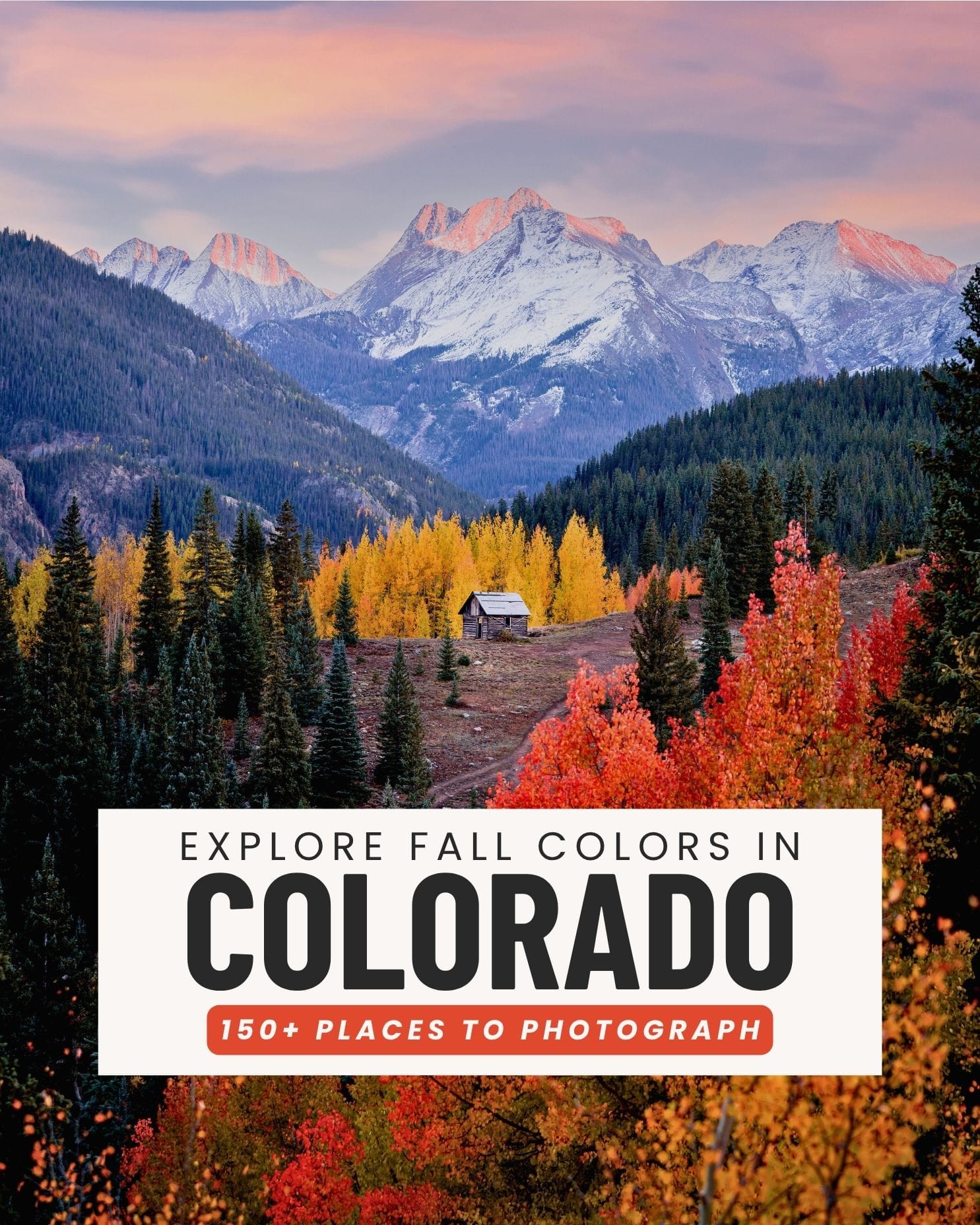
Looking for the best places to see fall colors in Colorado? Discover the best mountain towns, scenic drives, and destinations for Colorado fall foliage.

All photographs are © Roaming the Southwest. Unauthorized reproduction or use is prohibited.
What Are the Best Places to See Fall Colors in Colorado?
Colorado has incredible fall colors across the state, but some regions consistently stand out. My favorites include the San Juan Mountains, Aspen and Maroon Bells, Crested Butte and Kebler Pass, Leadville and Twin Lakes, Grand Mesa, Steamboat Springs, and the mountains surrounding Denver.
I've spent more than a decade chasing and photographing fall colors across Colorado, and these are the areas I personally recommend. Some are better for scenic drives, others for photography or hiking, and a few are ideal if you only have a day or two.
The biggest thing to consider is when you're visiting. Colorado's aspens don't all change at once, and even locations within the same region can peak more than a week apart.
If you haven't settled on your travel dates, start with my When to See Fall Colors in Colorado guide.
Want My Exact Colorado Fall Color Locations?
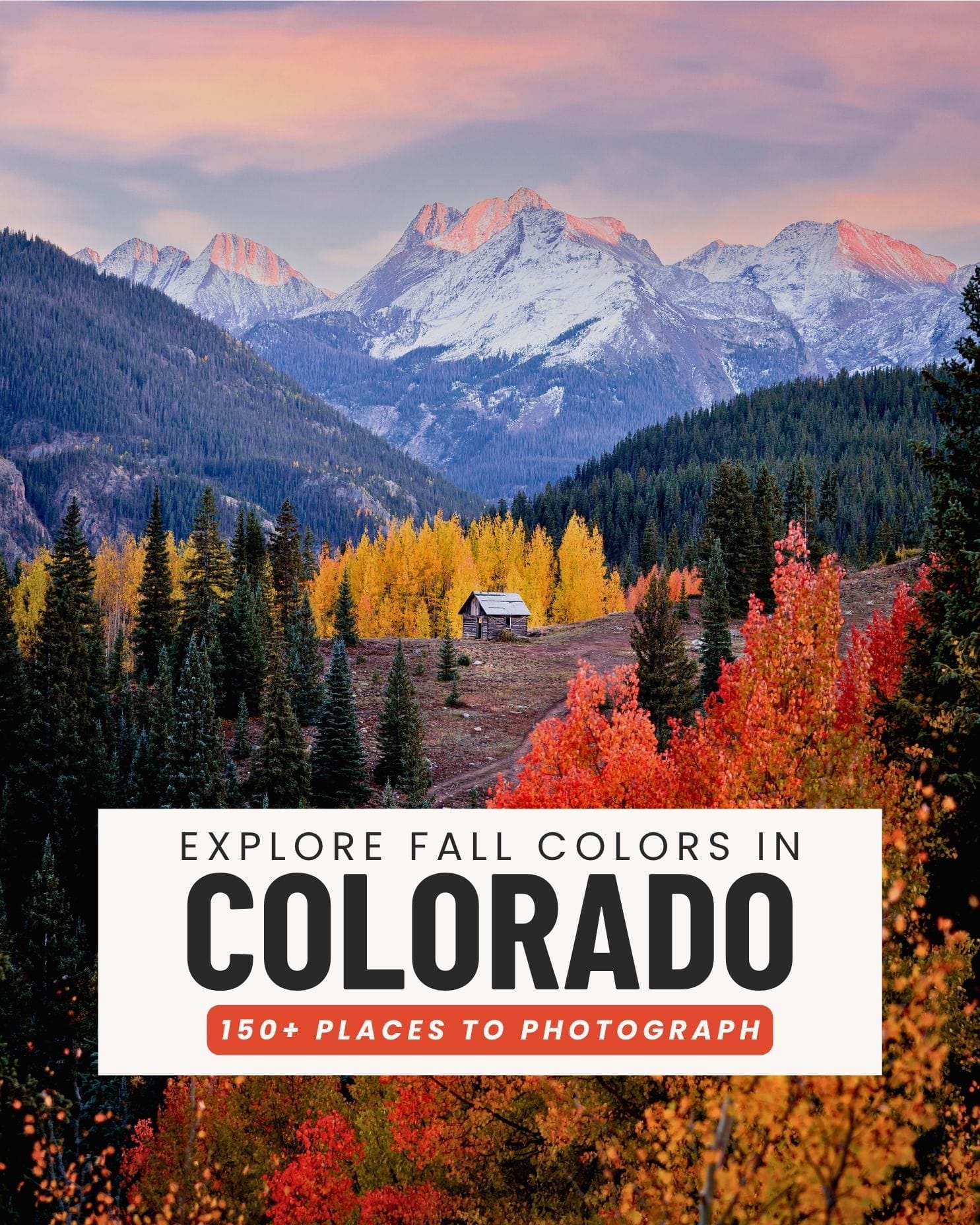
This map includes 150+ locations I’ve personally scouted across Colorado, with exact locations, scenic drives, photography spots, and detailed planning information to help you plan your fall trip. Use code ROAM15 to always save 15%.
📌 More Colorado Fall Colors Resources
- Colorado Fall Colors - Find all of my Colorado fall color guides and resources.
- Complete Guide to Colorado Fall Colors - Everything you need to plan a Colorado fall colors trip.
- When to See Fall Colors in Colorado: Peak Timing Guide - Learn when fall colors typically peak across Colorado.
- How to Track Colorado Fall Colors in Real Time - Track current color progression and know where fall colors are changing now.
- Best Scenic Drives for Fall Colors in Colorado - Find the best Colorado fall drives and mountain passes.
- San Juan Mountains Fall Colors: Peak Timing & Best Places - Plan where and when to see fall colors across the San Juan Mountains.
How to Choose Where to See Fall Colors in Colorado
If you only have a few days, I don't recommend trying to cover the entire state. Pick one region that typically aligns with your travel dates and spend more time exploring instead of driving from one destination to another.
Here's how I'd narrow it down:
| Region | Best For | Typical Peak |
|---|---|---|
| Front Range & Summit County | Easy access from Denver | Mid to late September |
| Steamboat Springs & Flat Tops | Fewer crowds and rolling aspen-covered mountains | Mid to late September |
| Vail, Leadville & Twin Lakes | Mountain passes and scenic drives | Mid to late September |
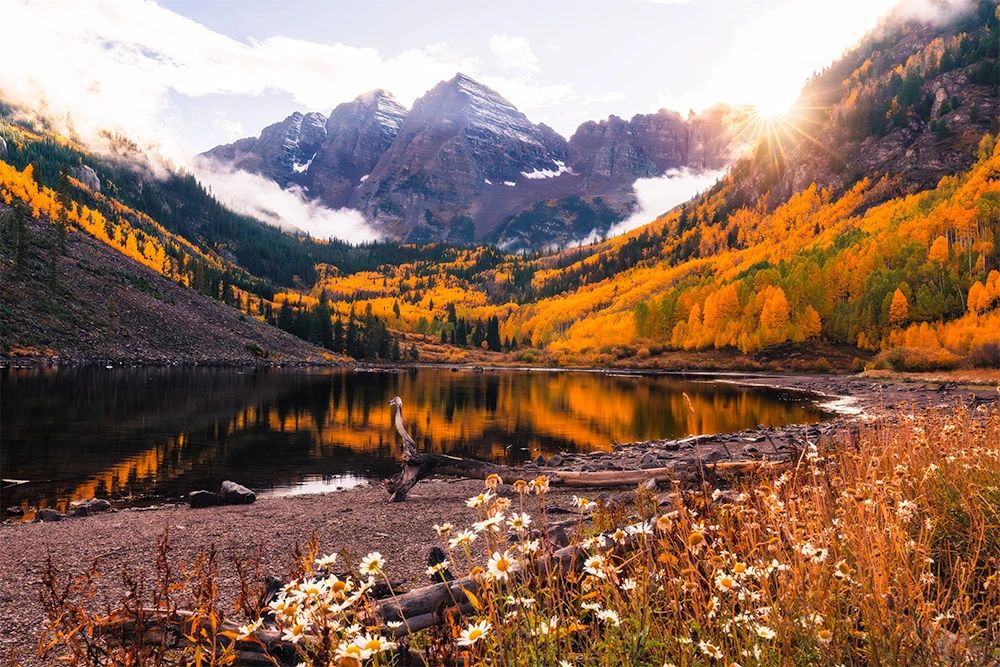
| Aspen & Maroon Bells | Iconic mountain scenery and photography | Late September to early October |
| Crested Butte & Kebler Pass | Massive aspen groves | Late September to early October |
| Grand Mesa | Dense aspen forests and easy roadside access | Late September |
| San Juan Mountains | Dramatic peaks, scenic drives, and photography | Late September to early October |
These are typical windows, not guaranteed peak dates. Weather and elevation can shift the timing every year.
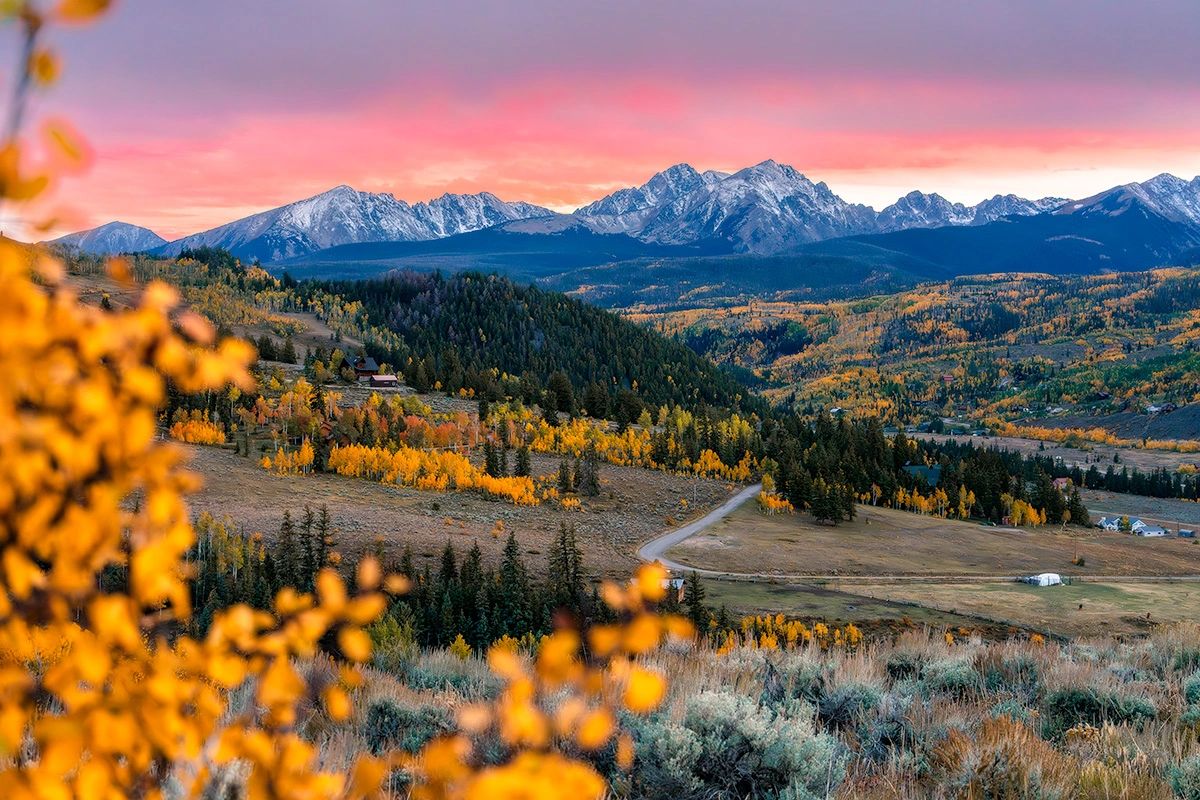
Best Fall Colors Near Denver: Front Range + Summit County
Best for: Quick trips from Denver + limited time for exploring
Peak timing: Mid to Late September (usually)
Areas: Breckenridge, Dillon, Estes Park, Georgetown, Grand Lake, Keystone, Silverthorne, and Winter Park
If you don’t want to drive across the state, you can still find incredible fall colors close to Denver. The Front Range and Summit County are also typically some of the first areas to change.
Where to see fall colors near Denver and Summit County:
- Rocky Mountain National Park
- Peak to Peak Scenic Byway
- Guanella Pass (connects Georgetown to Grant)
- Kenosha Pass (Northeast of Fairplay)
- Trail Ridge Road (Rocky Mountain National Park)
- Boreas Pass (Connects Breckenridge to Como)
- Berthoud Pass (north of Georgetown between Lawson and Winter Park)
What to know:
- Great for day trips from Denver but can be BUSY. I'm talking hours of stalled traffic on the weekends.
- Choose to go on a weekday, if feasible, to avoid hours of traffic.

Best Fall Colors Near Steamboat Springs & Flat Tops
Best for: Fewer crowds + rolling hills of color
Peak timing: Mid to Late September
Areas: Steamboat Springs, Kremmling, Flat Tops Wilderness
If you’re looking for fall colors with fewer crowds, Steamboat Springs and the Flat Tops are a great alternative to busier destinations like Aspen and Telluride. You’ll find rolling mountains covered in aspens and several scenic drives that make this area easy to explore.
Where to see fall colors near Steamboat Springs:
- Flat Tops Wilderness
- Buffalo Pass (Although this road is in good condition, and 2WD cars will do fine at lower elevations, towards the top and final few miles, the conditions become rough for approximately four miles. High clearance vehicles are recommended.)
- Rabbit Ears Pass (paved, connects Steamboat Springs and Kremmling)
What to know:
- Much quieter than Aspen or Telluride
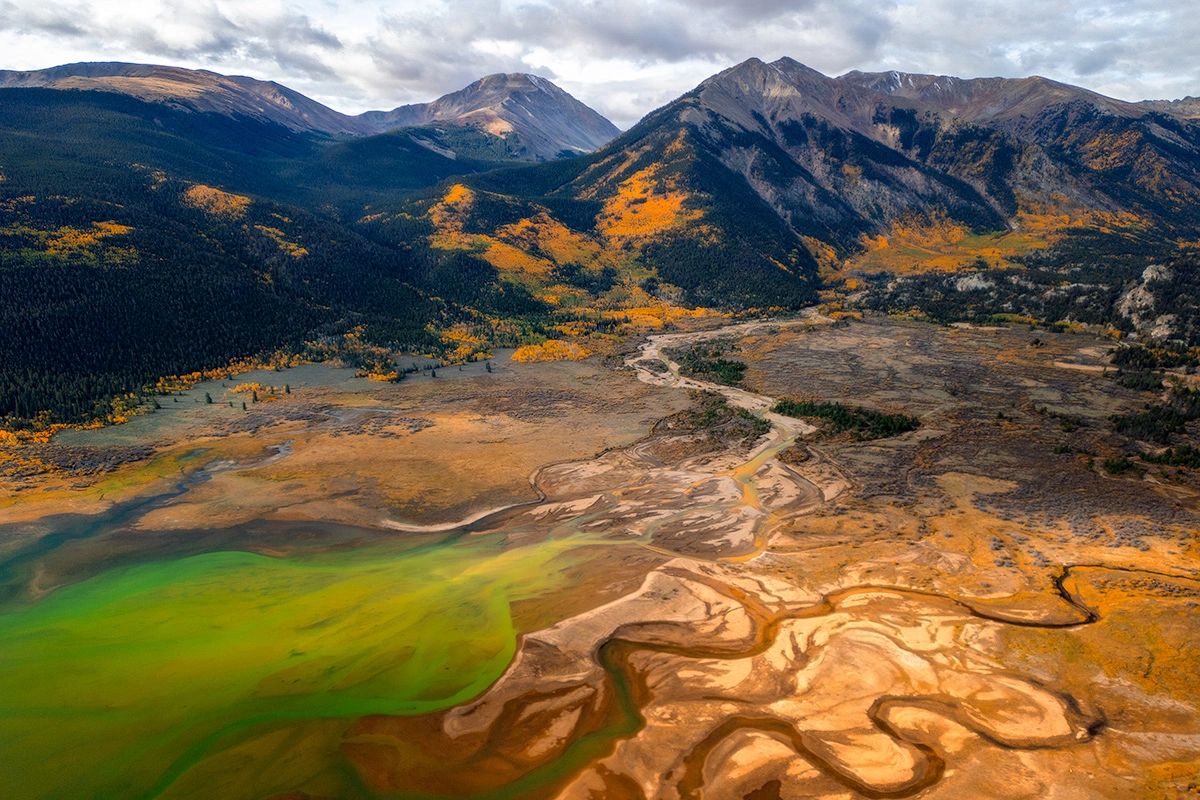
Best Fall Colors Near the Central Mountains (Vail, Twin Lakes & Leadville)
Best for: Iconic mountain passes + accessible fall color to the Front Range
Peak timing: Mid-to-late September
Areas: Buena Vista, Leadville, Minturn, Twin Lakes, and Vail
This region is one of the easiest places to experience classic Colorado fall colors without needing long hikes or complicated planning. You’ll find huge aspen groves, dramatic mountain backdrops, and some of the most scenic drives in the state within an easy drive from Denver.
Where to see fall colors near Vail, Twin Lakes, and Leadville:
- Vail Pass (paved)
- Shrine Pass (dirt road but accessible to most all vehicles)
- Independence Pass (paved, connects Twin Lakes and Aspen)
- Tennessee Pass (paved, connects Minturn and Leadville)
What to know:
- Weekends can get extremely busy during peak season since you're still relatively close to the Front Range.
- Some roads are dirt, but most are manageable for standard vehicles.

Best Fall Colors in Aspen & the Maroon Bells
Best for: Iconic fall views
Peak timing: late September to early October
Aspen and the Maroon Bells are some of the most iconic places to see fall colors in Colorado, and for very good reason. Golden aspen groves surround some of the state's most recognizable mountain scenery, with plenty of incredible fall views beyond Maroon Bells itself.
Maroon Bells requires advance planning, with parking and shuttle reservations during the main visitor season. Reservation dates and fees can change annually, so check the current requirements before visiting.
For more information, read my Maroon Bells Fall Photography Guide.
Where to see fall colors near Aspen:
- Maroon Bells (permits required)
- Independence Pass (paved)
- Capitol Creek Trailhead (rough, high clearance recommended)
- Castle Creek Road + Ashcroft Ghost Town (paved until the very end, but okay for 2wd vehicles)
What to know:
- Parking or shuttle reservations are required during peak season to access Maroon Bells.
- Expect crowds—early mornings are your best bet for photos, but sunrise is iconic at Maroon Bells so expect LOTS of photographers. Arrive at least 30 minutes prior to sunrise
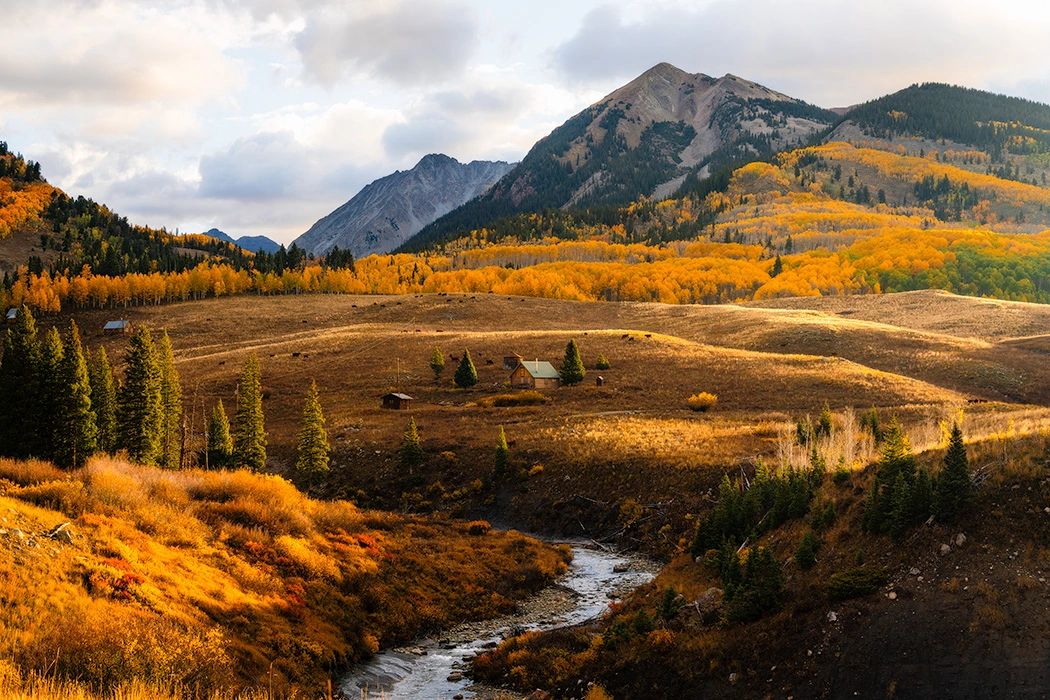
Best Fall Colors in Crested Butte & Kebler Pass
Best for: Massive aspen groves + easy scenic drives
Peak timing: Late September to early October
Areas: Crested Butte, Kebler Pass, Ohio Pass, McClure Pass
This is where you’ll find some of the largest aspen groves in the country. Kebler Pass is one of the easiest and most rewarding fall drives, and these views come with no big hike required.
Where to see fall colors near Crested Butte:
- Kebler Pass (mix of pavement with dirt/gravel but 2wd friendly the entire drive)
- Ohio Pass (dirt/gravel and 2wd friendly)
- Gothic Road (paved turning into dirt/gravel and 2wd friendly at least to the ghost town of Gothic)
- McClure Pass to Crystal Mill (paved on McClure Pass but access to Crystal Mill requires high clearance)
What to know:
- Slate River Valley, Gothic Valley, and the town of Crested Butte usually peak about a full week before Ohio Pass and West Kebler Pass.
- The best place to get updates for Crested Butte color progression is https://travelcrestedbutte.com/crested-butte-fall-color-updates/
- Dirt roads are usually manageable, but always check current conditions.
- Great option if you want high payoff without having to move around every day.
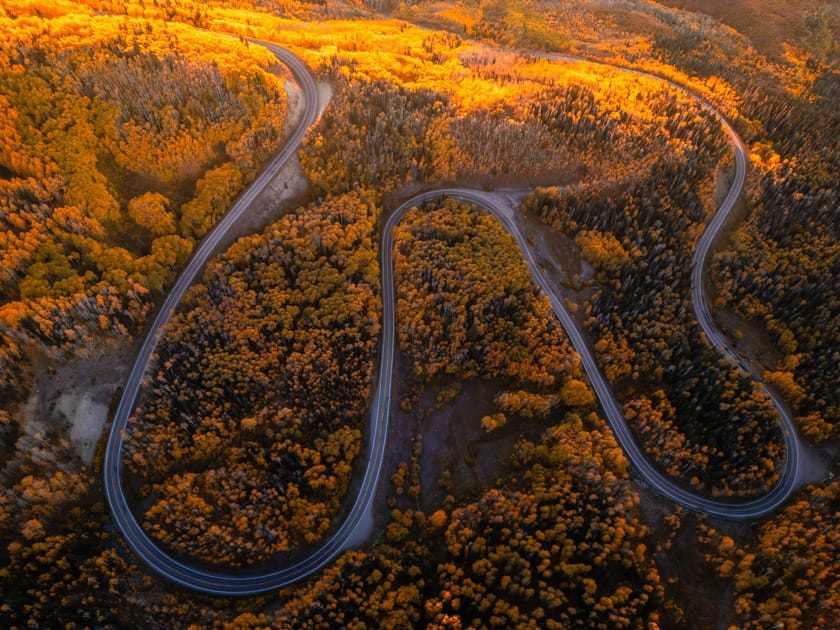
Best Fall Colors on the Grand Mesa (Western Colorado)
Best for: Massive high-elevation aspen forests + avoiding lots of crowds
Peak timing: Late September
Areas: The Grand Mesa, Mesa Lakes, Cedaredge
Grand Mesa is a completely different fall experience from places like the San Juans or Aspen. You don’t get the same dramatic mountain peaks, but you do get miles and miles of dense aspen forests across the mesa. It’s also incredibly easy to explore. You can drive the paved Grand Mesa Scenic Byway, stop around Mesa Lakes, and see huge stretches of color without hiking or needing a high-clearance vehicle.
Where to see fall colors near the Grand Mesa:
- Mesa Lakes area (dense groves + lakeside color)
- Grand Mesa Scenic Byway (paved easy driving loop with constant color)
What to know:
- Elevation is everything here. Color can shift quickly across the mesa, but much of the area tends to change around the same time because it sits at a similar elevation.
- One of the most accessible “big payoff” fall color areas in the western part of the state.

Best Fall Colors in the San Juan Mountains (Southwest Colorado)
Best for: Dramatic mountain scenery + dense aspen groves
Peak timing: Late September to early October
Areas: Lake City, Ophir, Ouray, Ridgway, Silverton, and Telluride
This region is one of the most impressive places to see fall colors in Colorado and my personal favorite. This is where I spend 85% of my time chasing fall colors.
Where to see fall colors near Silverton, Ouray, Ridgway, and Telluride:
- Dallas Divide (near Ridgway)
- Million Dollar Highway (paved)
- Last Dollar Road (unpaved; 2WD generally fine when dry, high clearance recommended and 4WD preferred when wet)
- Owl Creek Pass (unpaved; 2WD generally fine when dry)
What to know:
- Timing is trickiest in the San Juans because peak color can span 2–3 weeks and doesn't follow a simple north-to-south pattern. Different areas can peak more than a week apart, so check my San Juan Mountains Fall Colors Guide or Colorado Fall Colors Peak Timing Guide when planning your dates.
- Lodging fills VERY quickly—book early. Most people don't live close so have to get lodging versus places closer to the front range where they can day trip.
Where to Stay in the San Juan Mountains
Telluride, Ouray, and Silverton all make great bases for exploring the San Juans in fall. Where you stay depends on which areas you plan to visit and how much driving you want to do.
Which Colorado Fall Color Destination Should You Choose?
There really isn't one single best place to see fall colors in Colorado.
If you're flying into Denver and only have a few days, I'd focus on the Front Range, Summit County, or the Leadville and Twin Lakes area.
If you want enormous aspen groves and scenic drives, I'd choose Crested Butte and Kebler Pass.
For iconic photography, Aspen and Maroon Bells are hard to beat.
And if you have several days to explore and want some of the most dramatic mountain scenery in the state, I'd choose the San Juan Mountains every time.
Ultimately, the best destination is the one that aligns with your travel dates. I'd much rather visit a less-famous location at peak color than drive hours to a popular destination that's already past peak.
For more help planning your trip, visit my Colorado Fall Colors hub, where you'll find my peak timing guides, scenic drives, photography resources, and seasonal updates.
FAQs About the Best Places to See Fall Colors in Colorado
Where are the best places to see fall colors in Colorado?
The San Juan Mountains, Aspen and Maroon Bells, Crested Butte and Kebler Pass, Leadville and Twin Lakes, Grand Mesa, Steamboat Springs and the Flat Tops, and the mountains near Denver are some of the best places to see fall colors in Colorado. Each area offers something different, and the best choice for your trip will also depend on when you're visiting because Colorado's fall colors peak at different times across the state.
Where are the best fall colors near Denver?
Some of the best places to see fall colors near Denver include Rocky Mountain National Park, Peak to Peak Scenic Byway, Guanella Pass, Kenosha Pass, Trail Ridge Road, Boreas Pass, and Berthoud Pass. These areas are convenient for day trips from Denver, but they can get extremely busy during peak fall weekends.
Where can I see the most aspen trees in Colorado?
Crested Butte and Kebler Pass are especially good choices if your priority is seeing massive aspen groves. Kebler Pass has one of the largest aspen groves in the world and is one of my favorite easy scenic drives for fall colors. Grand Mesa is another great option for miles of dense aspen forests.
Where can I see Colorado fall colors without hiking?
You don't need to hike to see incredible fall colors in Colorado. Scenic drives including Kebler Pass, Independence Pass, Grand Mesa Scenic Byway, Million Dollar Highway, Last Dollar Road, Owl Creek Pass, Peak to Peak Scenic Byway, and Guanella Pass offer extensive fall color directly from the road and roadside viewpoints.
If you'd rather explore by car, check out my Best Scenic Drives for Fall Colors in Colorado for even more routes across the state.
Is Aspen or Crested Butte better for fall colors?
Both are incredible, but they offer different experiences. Aspen is best for iconic Colorado scenery around Maroon Bells, Independence Pass, and Castle Creek Road. Crested Butte and Kebler Pass are better if your priority is enormous aspen groves and easy scenic drives with high-payoff views. Aspen will be more crowded than Crested Butte, given it is much easier to access from Denver.
Where can I see fall colors in Colorado with fewer crowds?
For fewer crowds, I recommend Lake City, Grand Mesa, Steamboat Springs, and the Flat Tops over places like Aspen, Telluride, and Rocky Mountain National Park. Lake City is especially underrated, with incredible fall color along Highway 149 and the surrounding mountains. Grand Mesa has miles of dense aspen forests and plenty of easy roadside access, while Steamboat Springs and the Flat Tops offer huge stretches of fall color without the same level of traffic you'll find at Colorado's most famous fall destinations.
Want My Exact Colorado Fall Color Locations?
If you want to skip the guesswork, my Colorado Fall Colors Guide includes 150+ locations I've personally scouted, with exact photography spots, scenic drives, and tips on when to visit for the best light and color.
Use code ROAM15 to save 15%.
You can also join my Fall Colors Channel on Instagram, where I share live fall color updates from across the West Slope during the season.
See you out there!
Mallory
Fall Colors in Colorado
Be sure to subscribe to my newsletter to get a special discount code for my travel guides.