U.S. National Park Fees for International Visitors 2026
New U.S. National Park fees apply to international visitors in 2026. Learn about the $100 nonresident fee, $250 annual pass, affected parks, and when the pass can save you money.


If you're traveling to the United States from another country and planning to visit the National Parks in 2026, there's a major change you need to know about before your trip.
Beginning January 1, 2026, non-U.S. residents age 16 and older must pay an additional $100 nonresident fee at 11 of the most visited U.S. National Parks. This fee is charged in addition to the park's standard entrance fee.
There's also a separate America the Beautiful Non-Resident Annual Pass available for $250, which can quickly become the better deal depending on how many people you're traveling with and which National Parks you plan to visit.
The rules can be a little confusing, especially because the additional fee doesn't apply at every National Park. Here's exactly how the new fees work, which parks charge them, and when the $250 annual pass may save you money.
U.S. National Park Fees for International Visitors at a Glance
- $100 additional fee: Non-U.S. residents age 16+ at 11 designated national parks
- $250 annual pass: America the Beautiful Non-Resident Annual Pass
- Children 15 and younger: No $100 nonresident fee
- Fee is per person: Not per vehicle
- Not every national park charges it: Only 11 parks currently have the additional fee
- Utah National Parks affected: Zion and Bryce Canyon
- Utah National Parks not affected: Arches, Canyonlands, and Capitol Reef
What Is the $100 National Park Fee for International Visitors?
Beginning January 1, 2026, non-U.S. residents age 16 and older must pay an additional $100 nonresident fee when visiting 11 designated National Parks.
This is separate from the park's regular entrance fee.
For example, if a park normally charges $35 per private vehicle, international visitors entering that park without a qualifying annual pass would still pay the $35 vehicle entrance fee plus $100 for each non-U.S. resident age 16 or older in the vehicle.
That distinction is important because the standard entrance fee may cover everyone traveling together in one private vehicle, while the new $100 nonresident fee is charged individually.
Children age 15 and younger are not charged the additional $100 nonresident fee.
Which National Parks Charge the $100 Nonresident Fee?
The additional $100 nonresident fee currently applies at 11 National Parks:
- Acadia National Park
- Bryce Canyon National Park
- Everglades National Park
- Glacier National Park
- Grand Canyon National Park
- Grand Teton National Park
- Rocky Mountain National Park
- Sequoia & Kings Canyon National Parks
- Yellowstone National Park
- Yosemite National Park
- Zion National Park
If you're visiting one of these parks and you're a non-U.S. resident age 16 or older, you'll need to pay the additional $100 fee unless you're covered by a valid pass.
Do International Visitors Pay $100 at Every U.S. National Park?
No. This is probably one of the most important things to understand about the new fee.
International visitors do not pay an additional $100 at every U.S. National Park.
The nonresident fee currently applies only at the 11 designated parks listed above. At National Parks that aren't included on that list, international visitors don't pay the additional $100 nonresident fee.
That can make a huge difference when deciding whether the $250 Non-Resident Annual Pass will actually save you money.
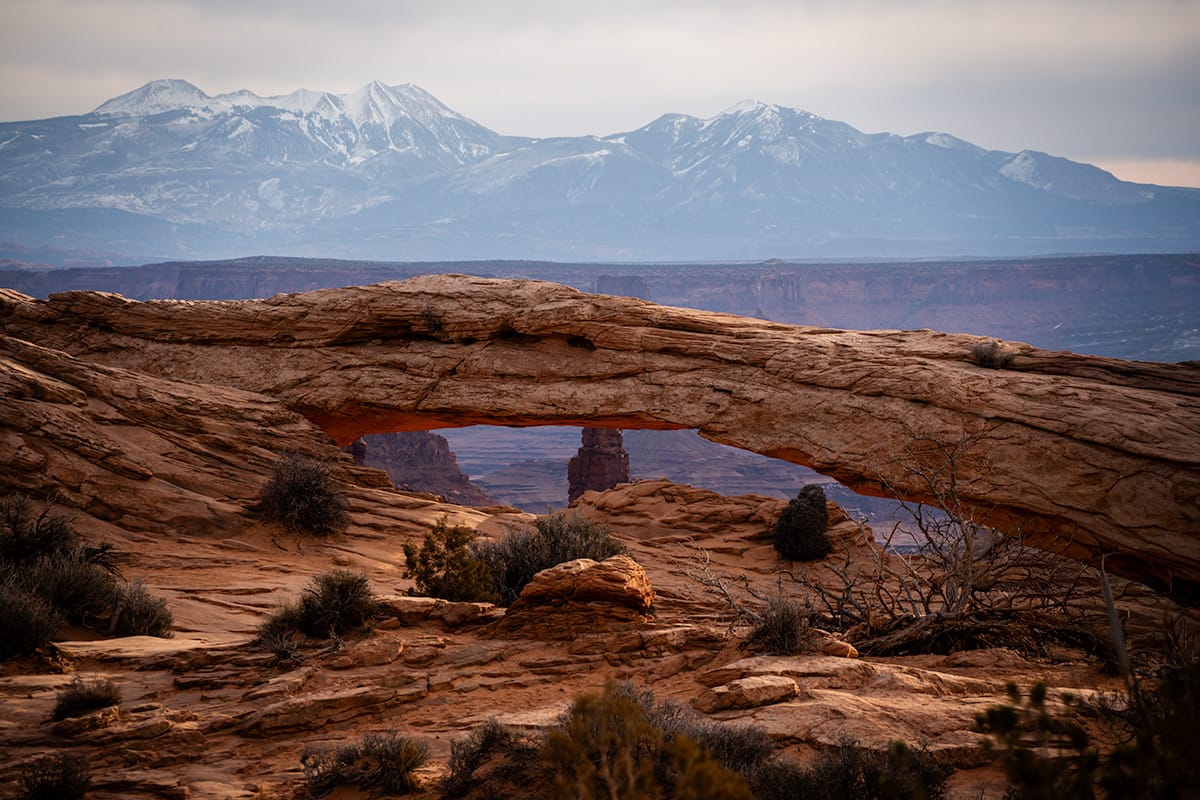
For example, Arches, Canyonlands, and Capitol Reef are not among the 11 National Parks charging the additional nonresident fee in 2026.
How Much Is the America the Beautiful Pass for International Visitors in 2026?
The America the Beautiful Non-Resident Annual Pass costs $250 in 2026.
This is different from the $80 America the Beautiful Resident Annual Pass available to U.S. citizens and residents.
The Non-Resident Annual Pass covers entrance fees and the applicable $100 nonresident fees, which means you won't have to pay the additional $100 each time you visit one of the 11 affected parks while you're covered by the pass.
Who Does the $250 Non-Resident Annual Pass Cover?
This is where the $250 annual pass can become much more valuable, especially if you're traveling with other adults.
At sites that charge an entrance fee per vehicle, the pass covers the private vehicle and its passengers.
The pass also covers up to two motorcycles.
At sites where entrance fees are charged per person, the pass covers the passholder plus up to three additional adults.
Children age 15 and younger do not need to pay the $100 nonresident fee.
Because of this, you shouldn't automatically compare $250 against $100 and assume you need to visit three parks before the annual pass makes sense. Your party size and the specific parks you're visiting can change the math dramatically.
Utah National Parks Pass Cost Calculator for International Visitors
Visiting Utah's Mighty 5? Select the parks you're visiting and the number of international adults in your group to see whether the $250 Non-Resident Annual Pass is worth purchasing.
Estimates assume one private vehicle, one standard entrance fee per park, and non-U.S. residents age 16 or older. Bryce Canyon and Zion charge an additional $100 per nonresident adult without qualifying pass coverage. The $250 pass covers eligible occupants of the same private vehicle. Camping, timed-entry reservations, and other activity fees are not included.
Planning to visit National Parks beyond Utah? Use my National Park Pass Savings Calculator to select all the parks on your itinerary, including those with additional nonresident fees, and see whether the $250 annual pass could save you money.
Is the $250 America the Beautiful Pass Worth It for International Visitors?
It depends on three things:
- Which National Parks you're visiting
- How many affected parks you're visiting
- How many adults age 16+ are traveling with you
If your trip includes multiple parks that charge the $100 nonresident fee, the $250 annual pass can pay for itself surprisingly quickly.
If you're visiting only parks that don't charge the additional nonresident fee, buying the $250 pass may not save you money at all.
Here are a few examples.
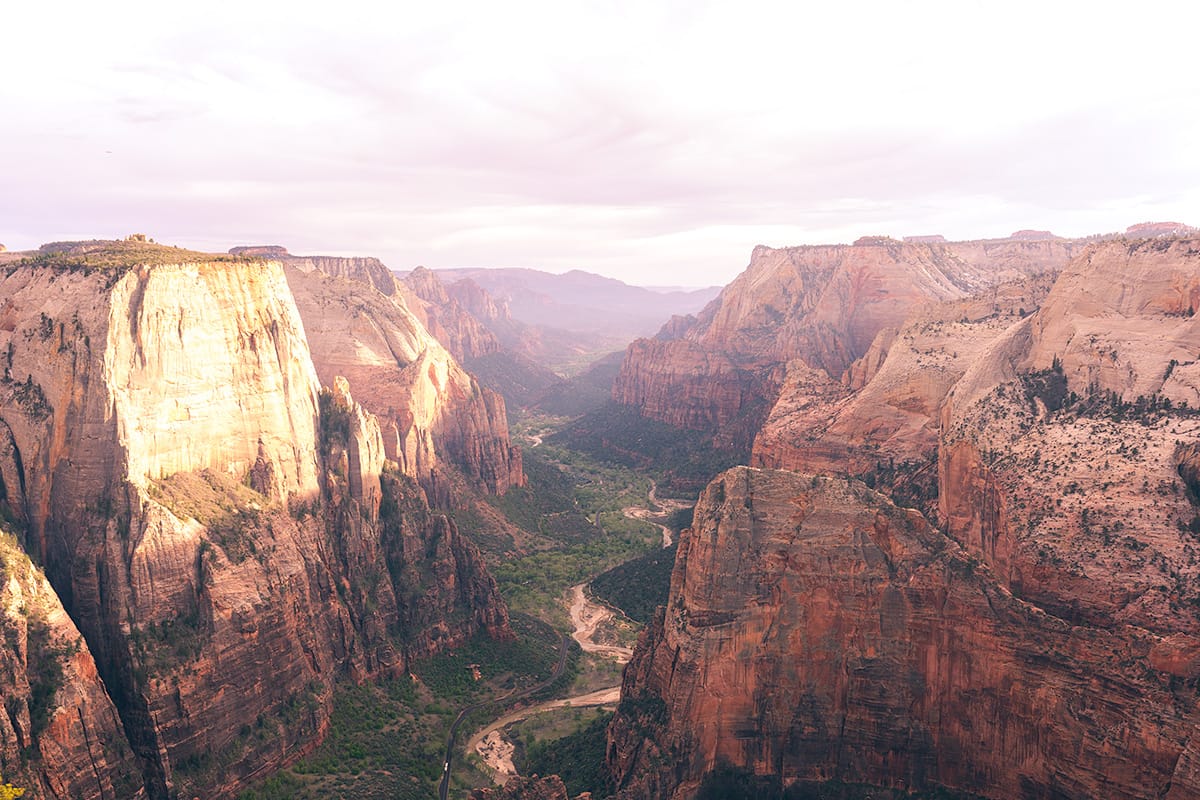
Example: Two Adults Visiting Zion + Bryce Canyon
Zion and Bryce Canyon both charge the additional $100 nonresident fee.
Without the annual pass:
Zion National Park
$35 standard vehicle entrance fee
$200 in nonresident fees for two adults
Total: $235
Bryce Canyon National Park
$35 standard vehicle entrance fee
$200 in nonresident fees for two adults
Total: $235
Total for both parks: $470
America the Beautiful Non-Resident Annual Pass: $250
Savings with the annual pass: $220
For two adults visiting both Zion and Bryce Canyon, the annual pass is clearly the better value.
Example: One Adult Visiting Zion + Bryce Canyon
For a solo international traveler:
Zion National Park
$35 standard vehicle entrance fee
$100 nonresident fee
Total: $135
Bryce Canyon National Park
$35 standard vehicle entrance fee
$100 nonresident fee
Total: $135
Total for both parks: $270
America the Beautiful Non-Resident Annual Pass: $250
Savings with the annual pass: $20
Even for a solo traveler, visiting Zion and Bryce Canyon can make the annual pass slightly cheaper than paying the fees individually.
Example: Visiting Arches + Canyonlands + Capitol Reef
Arches, Canyonlands, and Capitol Reef are not among the 11 National Parks that charge the additional $100 nonresident fee.
For a non-U.S. resident visiting all three parks in one private vehicle, here's what you'd pay in standard entrance fees:
| National Park | Entrance Fee |
|---|---|
| Arches National Park | $30 |
| Canyonlands National Park | $30 |
| Capitol Reef National Park | $20 |
| Total | $80 |
Without the annual pass: $80 total
With the $250 Non-Resident Annual Pass: $250 total
Difference: $170 more with the annual pass.
For this itinerary alone, purchasing the Non-Resident Annual Pass wouldn't make financial sense. You'd save $170 by paying the individual entrance fees.
This is why I recommend looking at your actual itinerary before automatically purchasing the pass. If you're only visiting parks without the additional nonresident fee, paying individual entrance fees may be significantly cheaper.
Example: Visiting All Five Utah National Parks
If you're traveling with two adults who are not U.S. residents and planning to visit all five of Utah's National Parks, here's how the costs compare.
Without the Non-Resident Annual Pass:
- Arches National Park: $30
- Canyonlands National Park: $30
- Capitol Reef National Park: $20
- Bryce Canyon National Park: $235 ($35 entrance fee + $100 per adult)
- Zion National Park: $235 ($35 entrance fee + $100 per adult)
Total without the pass: $550
With the Non-Resident Annual Pass: $250
Total savings: $300
The $250 pass covers both adults traveling together in the same private vehicle, including the additional nonresident fees at Bryce Canyon and Zion.
For international visitors planning to visit all five Utah National Parks, purchasing the annual pass makes significantly more financial sense than paying individual entrance fees.
What Do the 2026 Nonresident Fees Mean for Utah National Parks?
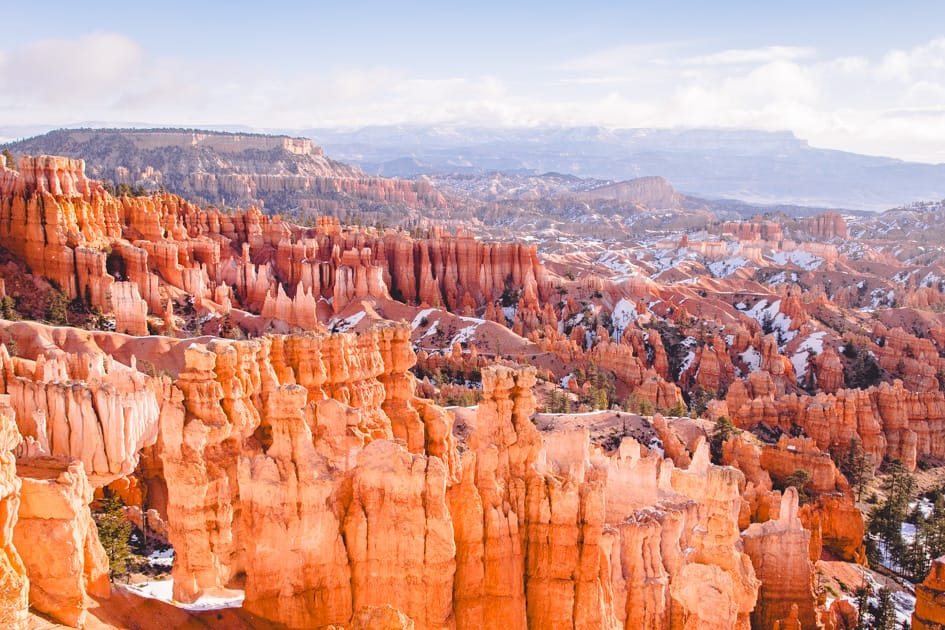
If you're planning a Utah National Parks road trip, the new fee structure is especially important because Utah's Mighty 5 are split between parks that charge the additional nonresident fee and parks that don't.
Of Utah's five National Parks:
Additional $100 nonresident fee:
- Zion National Park
- Bryce Canyon National Park
No additional $100 nonresident fee:
- Arches National Park
- Canyonlands National Park
- Capitol Reef National Park
If your Utah itinerary includes Zion and Bryce Canyon, the $250 annual pass can become worthwhile very quickly, especially if you're traveling with two or more adults.
If your trip is focused primarily on Arches, Canyonlands, and Capitol Reef, compare the individual entrance fees with the $250 pass before purchasing it.
And if you're doing all five Utah National Parks, calculate the total based on your party size rather than assuming the same fee structure applies at every park.
Planning a larger Utah road trip? My 7-Day Utah National Parks Itinerary covers how to connect all five parks, while my Southern Utah Travel Guide for First-Time Visitors covers the bigger-picture planning details.
Do International Visitors Get Free National Park Entrance Days in 2026?
No.
Beginning in 2026, National Park fee-free days apply only to U.S. citizens and residents.
Non-U.S. residents still need to pay the regular entrance fee and any applicable $100 nonresident fee on those dates unless they're covered by a valid pass.
So if you're planning your trip around a National Park fee-free day, don't assume you'll receive free admission as an international visitor.
Does the $100 Nonresident Fee Apply to Children?
The additional $100 nonresident fee applies to non-U.S. residents age 16 and older.
Children age 15 and younger are not charged the $100 nonresident fee.
This can make a significant difference when calculating whether the $250 annual pass is worthwhile for a family.
Does the $100 National Park Fee Apply to Commercial Tours?
Yes.
The $100 nonresident fee also applies to non-U.S. residents age 16 and older entering one of the 11 affected National Parks as part of a commercial tour group.
If you have an America the Beautiful Non-Resident Annual Pass, it can cover the nonresident fee for the passholder plus three additional adults when entering as part of a commercial group.
If you're booking a guided or commercial National Park tour in 2026, check whether National Park entrance and nonresident fees are included in the advertised tour price or will be collected separately.
Can International Visitors Buy the $80 America the Beautiful Pass?
The $80 Resident Annual Pass is for U.S. citizens and residents.
Non-U.S. residents can purchase the $250 America the Beautiful Non-Resident Annual Pass.
If you're an international visitor planning your 2026 National Park trip, make sure you're comparing your individual entrance and nonresident fees against the correct $250 pass rather than the $80 resident price you may see mentioned elsewhere online.
If you're still trying to decide which pass makes sense for your trip, read my America the Beautiful Pass 2026 guide for a complete breakdown of the different passes, costs, and 2026 changes.
What If I Bought an America the Beautiful Pass in 2025?
If you purchased a valid America the Beautiful Annual Pass before January 1, 2026, the National Park Service says it will continue to be honored under its original terms until it expires.
Annual passes are valid for 12 months from the time of purchase, so a qualifying pass purchased in 2025 may continue to cover entrance and nonresident fees during part of 2026.
If you already have a pass, check its expiration date before purchasing another one.
Where Can International Visitors Buy the $250 America the Beautiful Pass?
International visitors can purchase the America the Beautiful Non-Resident Annual Pass through official federal recreation channels, including Recreation.gov.
Digital passes can be used after purchase, although you should always check the current National Park Service instructions before your trip.
I recommend buying directly through official federal sources rather than relying on third-party sellers.
Are National Park Reservations Included With the Annual Pass?
No. An America the Beautiful Pass covers eligible entrance and standard amenity fees, but it doesn't automatically replace separate reservations, timed-entry permits, camping reservations, tour fees, or other special-use fees.
If a National Park requires a reservation or timed-entry permit during your travel dates, you'll still need to arrange that separately.
Always check the individual National Park's current requirements before your trip.
If you're visiting Utah, I keep the entrance fees, timed-entry requirements, permits, and reservation rules together in my Utah National Parks Reservations & Entrance Fees 2026 guide.
If this is your first trip to the region, read Common Mistakes First-Time Visitors Make in Southern Utah before finalizing your itinerary.
U.S. National Park Fees for International Visitors FAQ
How much do international visitors pay to enter U.S. National Parks in 2026?
It depends on the park. At 11 designated National Parks, non-U.S. residents age 16 and older pay the park's regular entrance fee plus an additional $100 nonresident fee unless they're covered by a valid pass.
The additional $100 fee does not apply at every National Park.
Which U.S. National Parks charge international visitors an extra $100?
The fee applies at Acadia, Bryce Canyon, Everglades, Glacier, Grand Canyon, Grand Teton, Rocky Mountain, Sequoia & Kings Canyon, Yellowstone, Yosemite, and Zion National Parks.
Is the $100 National Park fee per person or per vehicle?
The additional $100 nonresident fee is per non-U.S. resident age 16 or older.
This is separate from the park's standard entrance fee, which may be charged per vehicle depending on the park and how you enter.
How much is the National Park annual pass for international visitors?
The America the Beautiful Non-Resident Annual Pass costs $250 in 2026.
Is the $250 National Park pass worth it for international visitors?
It depends on your itinerary and party size. If you're visiting multiple parks that charge the additional $100 nonresident fee, particularly with multiple adults, the pass can save a significant amount of money.
If you're visiting parks that don't charge the additional fee, compare your individual entrance fees with the $250 pass before buying it.
Do international visitors pay the $100 fee at Zion National Park?
Yes. Zion National Park is one of the 11 parks that charges non-U.S. residents age 16 and older the additional $100 nonresident fee.
Do international visitors pay the $100 fee at Bryce Canyon National Park?
Yes. Bryce Canyon National Park is also one of the 11 parks that charges the additional $100 nonresident fee.
Do international visitors pay the $100 fee at Arches National Park?
No. Arches National Park is not currently one of the 11 National Parks charging the additional $100 nonresident fee.
Do international visitors pay the $100 fee at Grand Canyon National Park?
Yes. Grand Canyon National Park is one of the 11 parks charging the additional nonresident fee.
Do international visitors get into National Parks free on fee-free days?
No. Beginning in 2026, National Park fee-free days apply to U.S. citizens and residents. Non-U.S. residents still pay applicable entrance and nonresident fees unless they're covered by a valid pass.
The Bottom Line
The biggest thing to understand about the new 2026 National Park fees is that international visitors aren't automatically paying an extra $100 at every National Park.
The additional fee applies at 11 specific parks, and it's charged to each non-U.S. resident age 16 and older.
If your trip includes several of those parks, especially if you're traveling with multiple adults, the $250 America the Beautiful Non-Resident Annual Pass can quickly become the better value.
But if your itinerary mostly includes parks without the additional nonresident fee, don't assume you need the annual pass. Add up the entrance fees for the parks you're actually visiting and compare that total with the $250 pass.
For Utah travelers in particular, remember the split: Zion and Bryce Canyon charge the additional fee, while Arches, Canyonlands, and Capitol Reef do not.
Check the National Park Service before your trip for the latest fees and entrance requirements, since National Park policies can change.
Planning a Trip to Southern Utah?
I’ve spent 10+ years exploring the Southwest, and my Southern Utah Travel Guide includes everything I’d actually recommend for planning your trip, including 350+ hikes, scenic drives, overlooks, and 7 pre-built itineraries so you don’t have to second-guess every stop.
→ Explore My Southern Utah Travel Guide